Low volume manufacturing cost is primarily driven by initial setup times and the selection of production methods that minimize upfront tooling expenses. By utilizing flexible processes like CNC machining, manufacturers can reduce lead times and avoid the high costs of custom molds while maintaining precision during smaller production runs.
Scaling a new product often hits a financial wall when the transition costs between a prototype and a full production line are misunderstood. For many engineers, the sticker shock of a small batch run can stall a project before it gains momentum. Understanding these costs is not about accepting high prices; it is about identifying the efficiencies hidden within setup times and engineering overhead. When you manage the variables of low volume production effectively, you gain the agility to iterate without sacrificing your margin. This guide examines the fundamental drivers of small batch expenses, from the impact of non recurring engineering to specific design for manufacturability strategies. You will learn how to optimize CNC machining processes and select materials that balance performance with price, ensuring your short runs remain both precise and profitable.
What Defines Low Volume Manufacturing and Why Does it Cost More Per Unit
Low volume manufacturing represents a critical transition phase in the product lifecycle, typically encompassing production runs between 10 and 1,000 units. It serves as a necessary bridge between one-off prototyping and full scale mass production, allowing engineers to validate designs, materials, and manufacturability in real world conditions. For many specialized sectors, such as aerospace and medical device manufacturing, this scale represents the entire product lifecycle because the demand for high precision parts often does not reach the tens of thousands.
When evaluating the low volume manufacturing cost, clients often notice that the per unit price is higher than it would be for a run of 50,000. This is due to the fundamental mechanics of economies of scale. In mass production, significant capital is invested upfront in specialized tooling, like injection molds or stamping dies, which can cost tens of thousands of dollars. In small batch CNC machining, we eliminate those massive upfront costs by using digital files and standard workholding.
However, the labor required for CNC programming, machine setup, and first article inspection remains relatively constant regardless of the batch size. When producing 50 units, these non recurring engineering costs are spread across a smaller denominator, increasing the individual part price. Despite the higher unit cost, the total project investment is significantly lower because you avoid the financial risk of permanent tooling. This flexibility allows for component fabrication and assembly that can be refined between batches, ensuring the final output meets strict operational requirements. If you have questions about specific quantities, you can contact our team in Ephraim to discuss the most efficient path to market for your project.
The Primary Cost Driver: Setup Time and Non Recurring Engineering
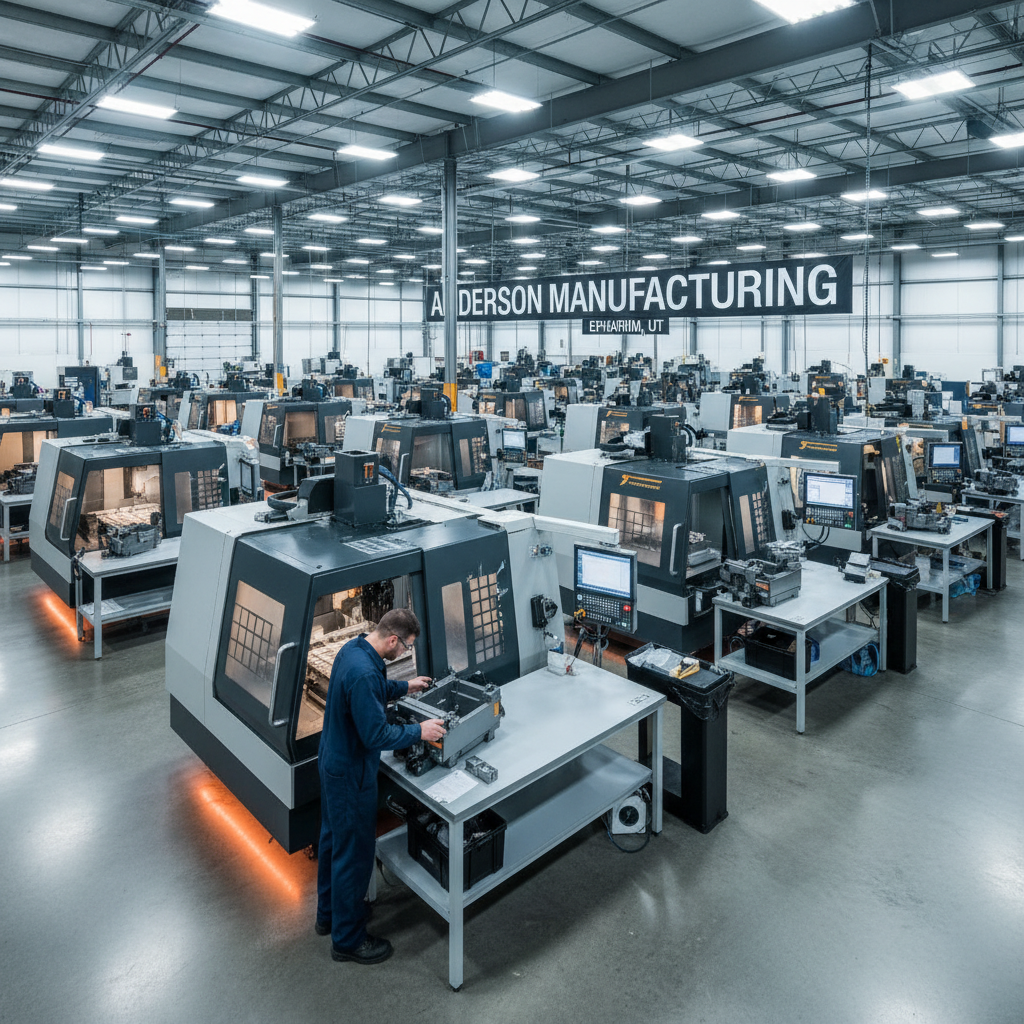
In small batch production, the most significant factor influencing the low volume manufacturing cost is the ratio between preparation and production. For a run of 20 units, it is common for the machine setup and calibration to take longer than the actual execution of the parts. This pre-production phase is categorized as Non-Recurring Engineering (NRE), which represents the one-time effort required to bring a digital design into the physical world.
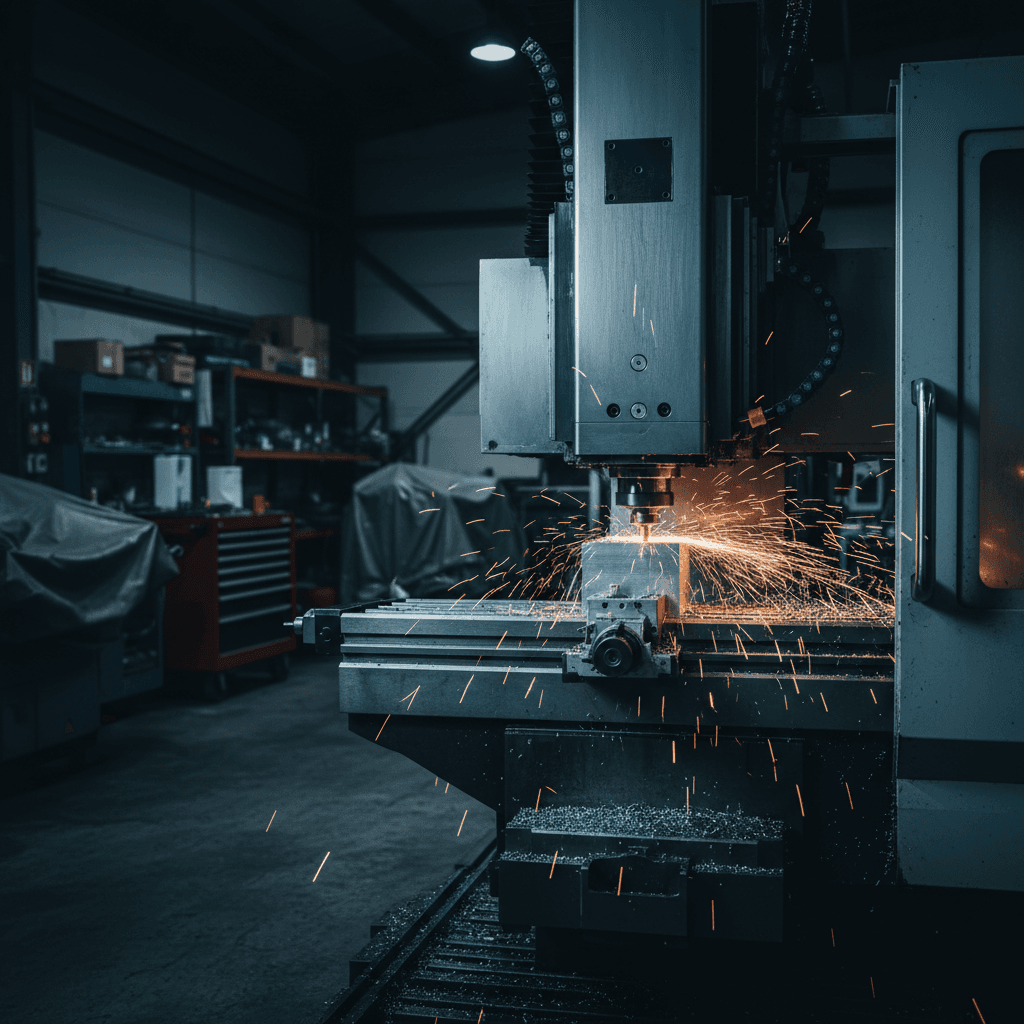
NRE encompasses several technical stages that require high-level expertise before the spindle ever turns. This includes CAD file preparation to ensure geometry is compatible with our precision manufacturing and fabrication services, the development of complex CNC programming, and the design of custom fixtures or jigs. If a part requires a unique workholding solution to maintain tight tolerances, the time spent fabricating that fixture is a fixed cost that must be absorbed by the initial production run.
To understand the financial breakdown, it is helpful to differentiate between touch time and run time.
Labor Category | Definition | Impact on Low Volume Cost |
|---|---|---|
Touch Time | Skilled human labor for programming, setup, and tool changes. | High; these hours are fixed regardless of batch size. |
Run Time | The duration the CNC machine is actively cutting material. | Low; this is a variable cost that scales with quantity. |
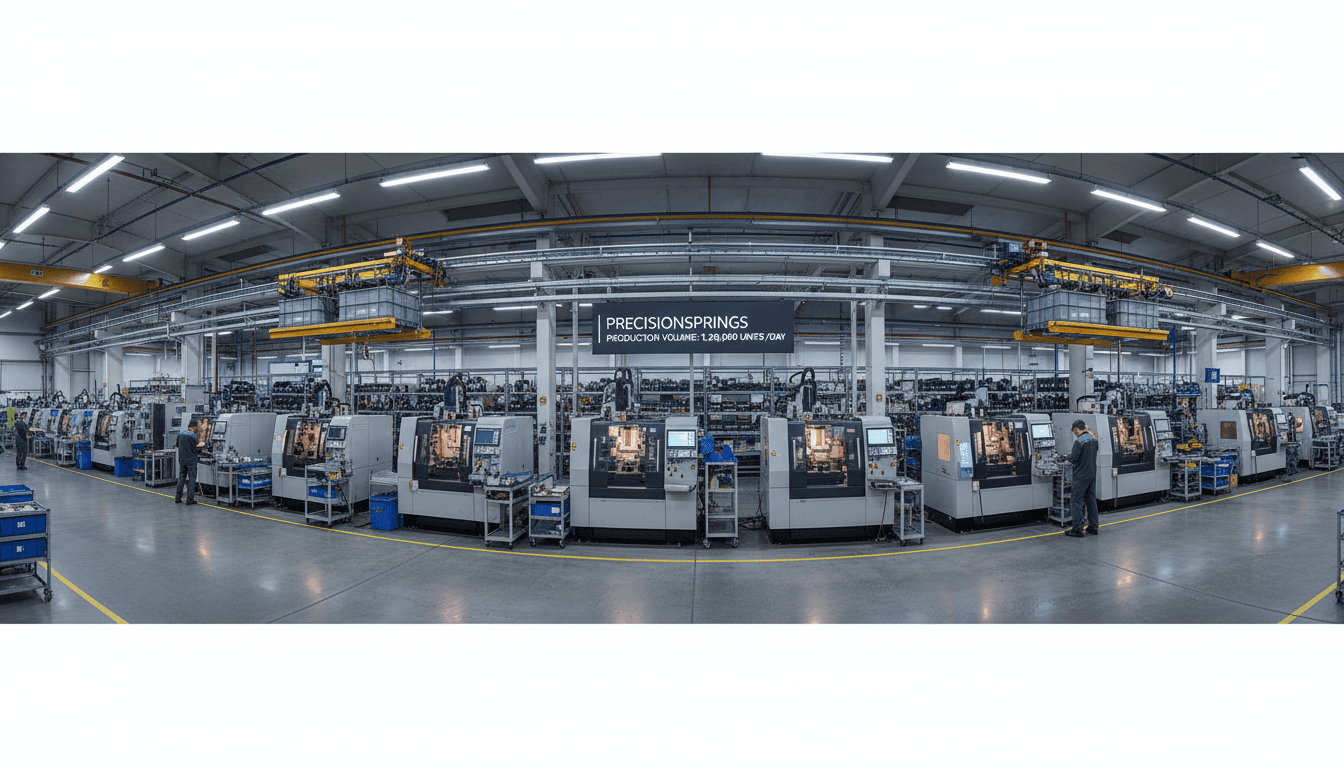
High-mix, low-volume shops manage frequent transitions between disparate projects. Every new job requires a technician to load the correct tooling, set tool offsets, and verify the first article. This necessary downtime is an essential part of maintaining quality, but it means the machine is not producing chips for several hours during the changeover. By recognizing that these front-end engineering hours are a constant requirement, engineers can better understand why the first few units in a sequence carry a higher price point than subsequent parts in a continuous run.
How Small Batch CNC Machining Benefits Your Bottom Line
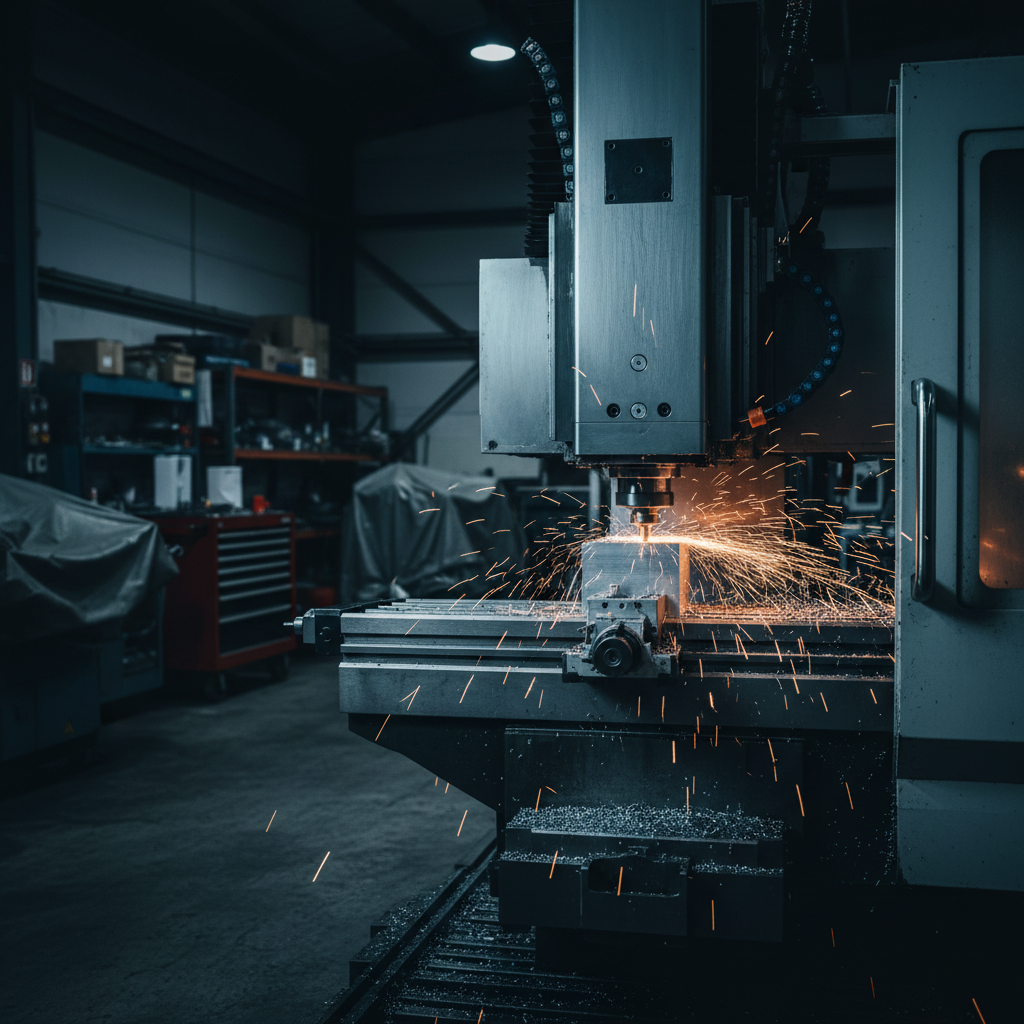
While the initial setup involves fixed labor costs, the long-term financial health of a project often relies on avoiding the tooling trap. For production runs under 1,000 units, the most significant impact on the low volume manufacturing cost is the absence of capital-intensive permanent tooling. In traditional mass production, an injection mold or stamping die can easily exceed $30,000; CNC machining bypasses this by operating directly from CAD data. This allows project capital to remain liquid rather than being tied up in hardened steel tools that may become obsolete if the market shifts.
This digital workflow provides a critical safety net for iterative design. If a field test reveals a necessary adjustment after the first 50 units, a programmer simply updates the digital file for the remaining batch. In a mold-based environment, such a change would require expensive rework or a total scrap of the existing tool. This flexibility ensures that precision manufacturing and fabrication services stay agile, effectively reducing the financial risk associated with unforeseen design flaws.
Furthermore, CNC machining utilizes advanced nesting software to optimize tool paths and material yield. When working with expensive alloys like titanium or Inconel, reducing scrap by even a small percentage significantly lowers the overall project cost. By maximizing the number of parts extracted from a single plate or bar, we ensure that material waste does not unnecessarily inflate the budget. This level of control is essential for maintaining a predictable bottom line while managing component fabrication and assembly for specialized industries.
Material Selection and Its Impact on Price in Short Runs
Selecting the right material for a short run requires a different financial perspective than preparing for mass production. In high volume scenarios, raw material price fluctuations are often absorbed by bulk purchasing agreements. For runs of 20 to 500 units, the low volume manufacturing cost is much more sensitive to the raw material price per pound because you are purchasing smaller quantities at spot market rates. Since you cannot leverage the same volume discounts, the material selection often accounts for a higher percentage of the total per-part cost than it would in a run of 10,000 units.
To keep costs predictable, prioritize standard stock sizes. If a design requires a 1.9 inch diameter but we can source 2 inch bar stock locally, using the standard size avoids custom milling fees or excessive pre-processing time. We frequently compare materials like 6061 aluminum and 304 stainless steel for our clients. While aluminum is generally cheaper per pound, its real value in short cycles lies in its machinability. Aluminum allows for higher spindle speeds and feed rates, which reduces the machine hours charged to the project. Conversely, stainless steel or tougher alloys increase tool wear and require slower cycle times. For a small batch, these extra minutes per part add up quickly. If you have questions about specific material availability or precision manufacturing and fabrication services, you can contact our team in Ephraim to review how your choice will impact the final quote.
Design for Manufacturability (DFM) Strategies to Lower Costs

Strategic design choices provide the most direct path to reducing the low volume manufacturing cost. Because setup time represents such a large portion of the budget in small batches, engineers should prioritize geometries that minimize the number of times a part must be repositioned or flipped. A part that can be finished in a single setup on a 3-axis or 5-axis machine will always be more economical than one requiring four or five separate manual interventions. Simplifying these orientations directly impacts the labor hours billed to the project.
Specific features like internal radii and pocket depths also dictate the speed of production. Engineers often design sharp 90-degree internal corners, which are impossible for a round end mill to cut, necessitating secondary operations or specialized EDM processes. By specifying internal radii that are slightly larger than standard tool diameters, you allow the machine to maintain a constant feed rate without slowing down in corners. Similarly, deep pockets that exceed four times the tool diameter often lead to tool chatter and breakage, requiring slower spindle speeds and more frequent tool changes.
Feature | High Cost Design | Practical Alternative |
|---|---|---|
Internal Corners | Sharp 90-degree angles | Radii larger than tool diameter |
Pocket Depth | Greater than 4x tool diameter | Shallow pockets or multi-part assembly |
Tolerances | Tight (+/- .0005) on non-critical surfaces | Standard (+/- .005) where function allows |
Holes | Deep, small diameter blind holes | Through-holes or standard drill depths |
Adopting a practical design mindset means focusing on function and repeatable processes rather than aesthetic complexities that offer no operational value. Over-specifying tight tolerances on non-mating surfaces is a common mistake that adds significant inspection and machine time. If you contact our team in Ephraim during the initial design phase, we can often identify precision manufacturing and fabrication services shortcuts that cut production time by 20 percent or more. This collaborative approach ensures that your component fabrication and assembly needs are met through a design that is optimized for the specific constraints of short-run production.
Quality Control and Scalable Output: The Hidden Costs of Precision
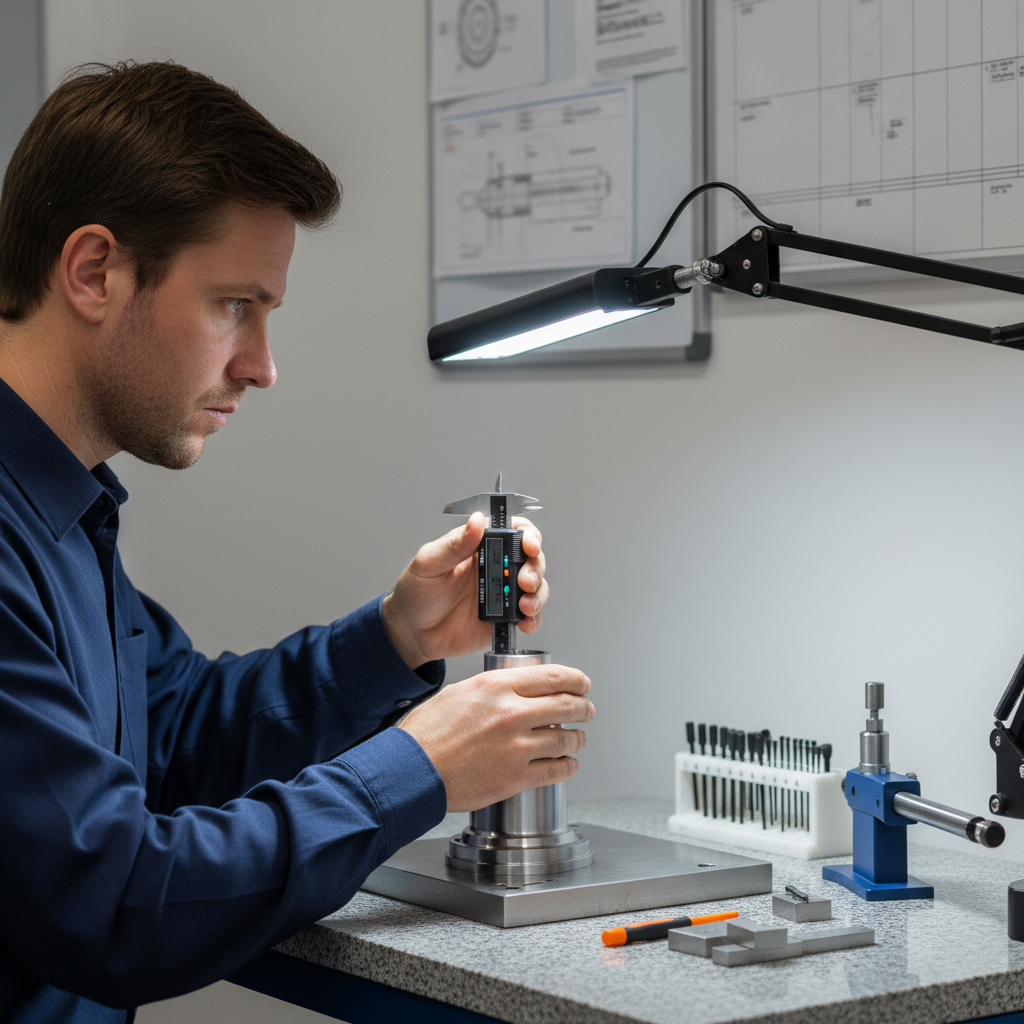
While design optimization reduces machine time, it does not eliminate the necessity for rigorous verification. A common challenge in CNC milling for small batches is the inability to rely on the statistical sampling methods used in mass production. In high-volume runs, a quality team might inspect every hundredth or thousandth part to verify process stability. However, in low volume manufacturing, every individual component is often critical to the final assembly. This reality makes inspection and quality control (QC) a significant portion of the total low volume manufacturing cost, as the labor required for measurement cannot be amortized across a massive quantity.
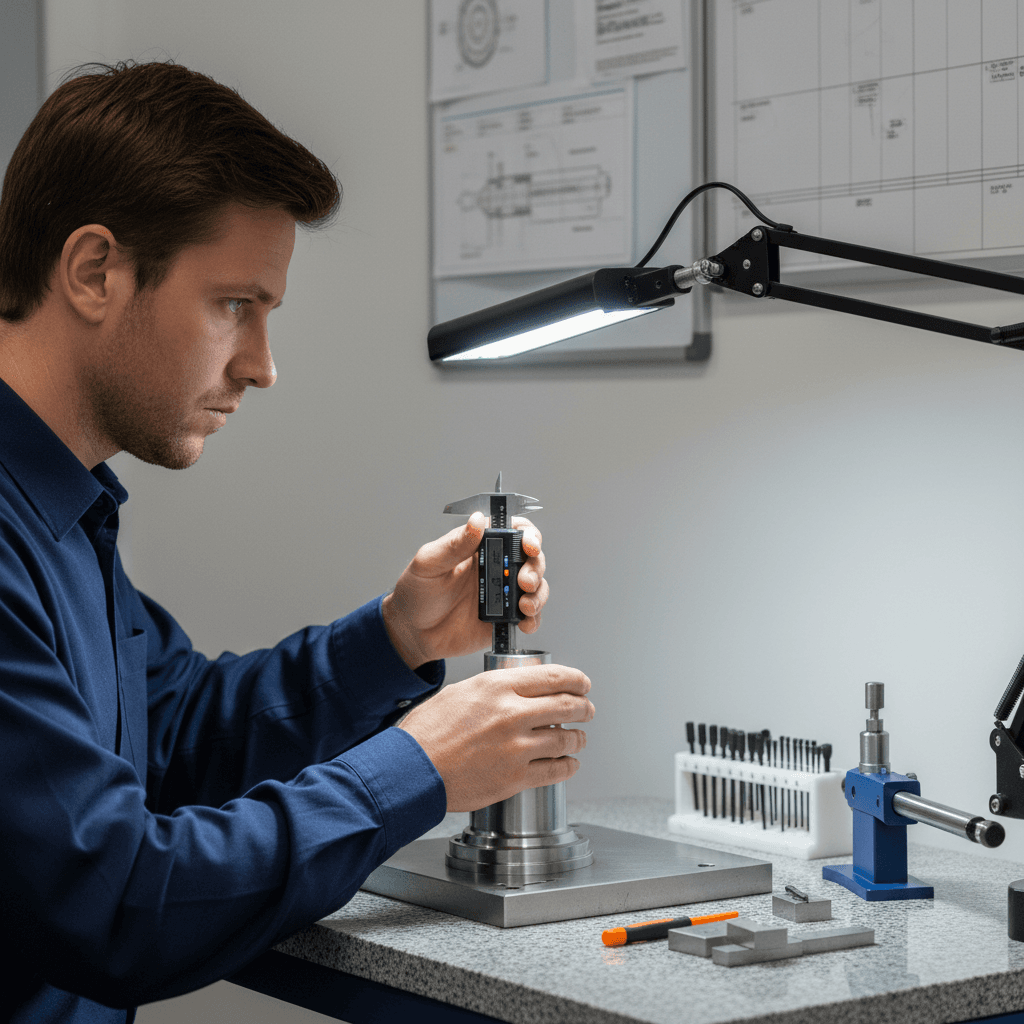
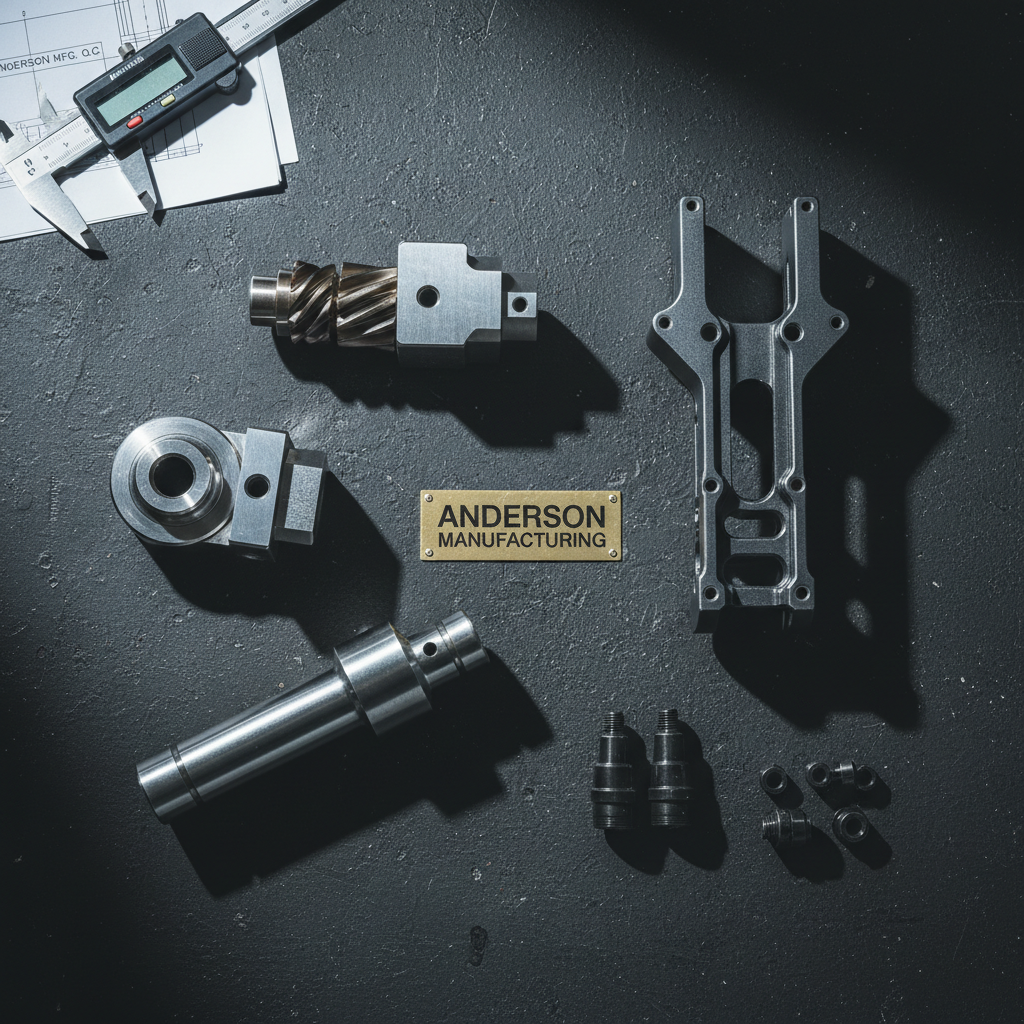
Our process involves a hands-on approach to verification using precision calipers, micrometer sets, and thread gauges to ensure every dimension aligns with the CAD specifications. Documentation is equally vital; tracking the accuracy of each unit provides the traceability required for sensitive industries. At Anderson Manufacturing in Ephraim, Utah, we maintain consistent quality standards regardless of batch size. By integrating precision manufacturing and fabrication services with strict QC protocols, we ensure that a 10-unit run meets the same operational requirements as a 10,000-unit run. This commitment to accuracy during component fabrication and assembly allows our clients to move into the testing or installation phase without the risk of dimensional discrepancies.
When to Switch from Low Volume to Mass Production
Determining when to transition from small batches to mass production requires a calculation of the break-even point. This is the moment where the amortized cost of permanent tooling, such as injection molds or stamping dies, becomes lower than the cumulative low volume manufacturing cost associated with CNC machining. If a project requires a $40,000 mold but reduces the price by $10 per unit, you must produce at least 4,000 units to justify the capital expenditure.
Strategic timing also depends on design maturity and market demand stability. Moving to mass production prematurely creates a risk of inventory carrying costs and potential obsolescence if the market requires a design change. By maintaining a flexible approach to component fabrication and assembly, you can ensure every feature is validated before committing to rigid tooling. Our facility in Utah provides the scalable output necessary to bridge this gap safely. When your volume reaches a predictable threshold, you can contact our team in Ephraim to discuss how our precision manufacturing and fabrication services support the transition to higher scales.
Managing costs in low volume production requires a careful balance between material selection and efficient tooling strategies. By focusing on these specific drivers, you can maximize value without sacrificing quality on smaller runs. If you want expert help navigating these technical decisions, you can learn more about us to see how our experience supports specialized projects. Our team focuses on finding the most efficient pathways for your unique manufacturing needs, ensuring your production remains both cost effective and high quality.