Optimal material selection for machined parts depends on balancing mechanical requirements such as strength and weight with manufacturing factors like machinability and total processing time. Designers must consider the relationship between raw material costs and fabrication expenses, as choosing unnecessarily hard or expensive alloys can significantly increase production overhead without providing functional benefits.
Selecting the right material for a precision machined part often feels like a delicate balancing act between meeting strict performance requirements and managing escalating production costs. Many engineers fall into the trap of overspecifying, choosing a high strength alloy that provides unnecessary durability while doubling the machining time and tool wear. At Anderson Manufacturing, we understand that the foundation of a successful project lies in selecting a material that aligns with your functional needs without compromising your budget. This guide explores the strategic importance of material selection by defining how functional requirements and machinability ratings influence your bottom line. We will compare common metals like aluminum, steel, and titanium, while identifying common mistakes that inflate fabrication costs. By the end of this article, you will understand how to leverage practical design for repeatable, cost effective production.
The Strategic Importance of Material Selection for Machined Parts
Material selection for machined parts is the most critical decision in the design to production pipeline. While a design might look perfect on a computer screen, the physical properties of the selected alloy dictate every subsequent step of the manufacturing process. Choosing a material is not a secondary detail; it is a strategic choice that determines a component’s performance, durability, and total landed cost.
In the machine shop, material choice directly influences spindle speeds, feed rates, and tool longevity. A material that is difficult to machine increases cycle times and accelerates tool wear, which ultimately inflates the final invoice. Conversely, selecting a material with high machinability can significantly reduce production time without compromising the structural integrity of the part. Many designers mistakenly focus on the raw material price per pound, yet the cost of machining time often represents a much larger portion of the project budget.
At Anderson Manufacturing in Ephraim, Utah, we provide precision manufacturing and fabrication services that help clients navigate these technical trade-offs. Our team assists engineers in balancing high performance requirements with scalable production costs. By addressing material selection early, we ensure that parts move efficiently from the CAD model to the shipping dock while maintaining consistent quality standards.
Step 1: Defining Functional Requirements Before Picking a Metal

A systematic approach to material selection for machined parts begins with a rigorous audit of the operating environment rather than a glance at a metal supplier’s catalog. Before identifying a specific alloy, engineers must establish the baseline performance criteria that the component will face during its service life. Failing to define these parameters early often leads to expensive redesigns or premature part failure.
Mechanical requirements are the first priority. You must determine the necessary tensile strength to resist pulling forces and the yield strength required to prevent permanent deformation under load. Hardness is equally critical if the part experiences friction or abrasive wear. If a component must survive millions of cycles without cracking, fatigue strength becomes the primary driver.
Thermal and environmental factors follow closely. Consider the following variables:
Requirement Category | Key Considerations |
|---|---|
Thermal Stability | Minimum and maximum operating temperatures; coefficient of thermal expansion. |
Heat Dissipation | The need for high thermal conductivity to move heat away from sensitive components. |
Chemical Exposure | Resistance to salt spray, industrial solvents, or corrosive cleaning agents. |
Weight Constraints | The necessity for a high strength-to-weight ratio in mobile or aerospace applications. |
These environmental constraints serve as the foundation for any precision engineering project. By documenting these needs upfront, we ensure that the final design supports repeatable production processes and functions reliably in the field. This clarity allows our team to help you move from concept to production with a material that is technically sound without being unnecessarily expensive for your specific application.
How Machinability Ratings Drive Your Fabrication Budget
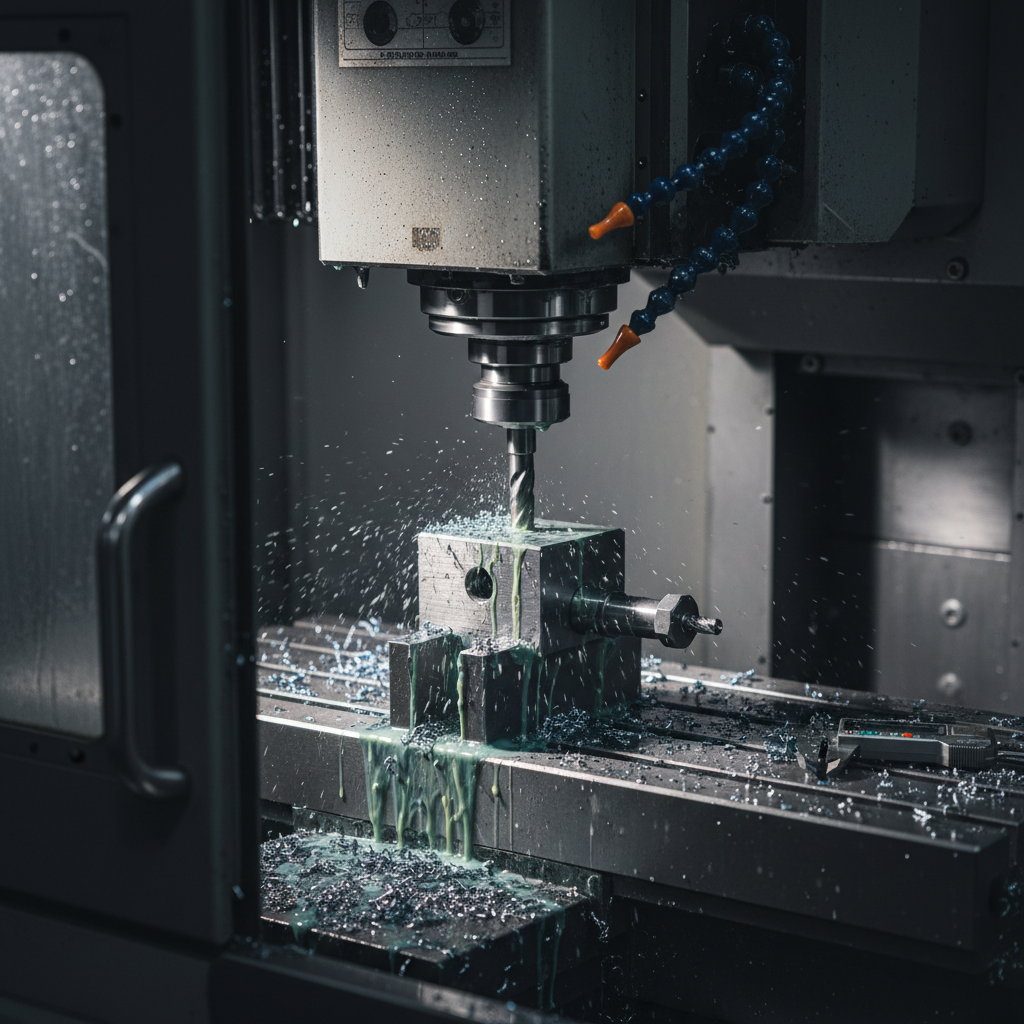
Machinability is a relative index, often compared to B1112 steel as a baseline, that determines how efficiently a cutting tool can remove material. In the context of material selection for machined parts, this rating serves as a primary predictor of the fabrication budget. A material with a high machinability rating allows for aggressive spindle speeds and feed rates, which minimizes the time a component spends on the CNC machine. Conversely, low-rated materials require conservative settings to manage heat and prevent tool failure, extending cycle times.
The following table illustrates how common materials diverge in their ease of processing:
Material | Machinability Rating (Approximate) | Impact on Production |
|
|---|---|---|---|
Aluminum 6061-T6 | 270% | High-speed removal; excellent tool life; lowest labor cost. | |
1018 Carbon Steel | 78% | Standard baseline; predictable wear; moderate speeds. | |
316 Stainless Steel | 36% | Gummy and prone to work hardening; requires slower feeds. | |
Titanium (Grade 5) | 22% | Low thermal conductivity; high tool wear; maximum shop time. |
As we execute precision manufacturing and fabrication services, we often observe that clients focus heavily on the raw material price per pound. However, the total landed cost of a part is usually dominated by shop time and tool consumption. A cheaper alloy that is difficult to machine can easily become more expensive than a premium alloy that cuts freely. For example, while 316 Stainless Steel might be necessary for its corrosion resistance, the labor required to machine it is significantly higher than that of 303 Stainless, which contains sulfur to improve chip breaking.
Optimizing these variables is essential for repeatable production processes. By selecting the most machinable material that still meets your functional requirements, you reduce the risk of tool breakage and surface finish issues. Our goal is to help you move from concept to production with a clear understanding of how these ratings influence the final invoice, ensuring your design is as cost-effective as it is functional.
Comparing Common Machining Materials: Aluminum, Steel, and Titanium
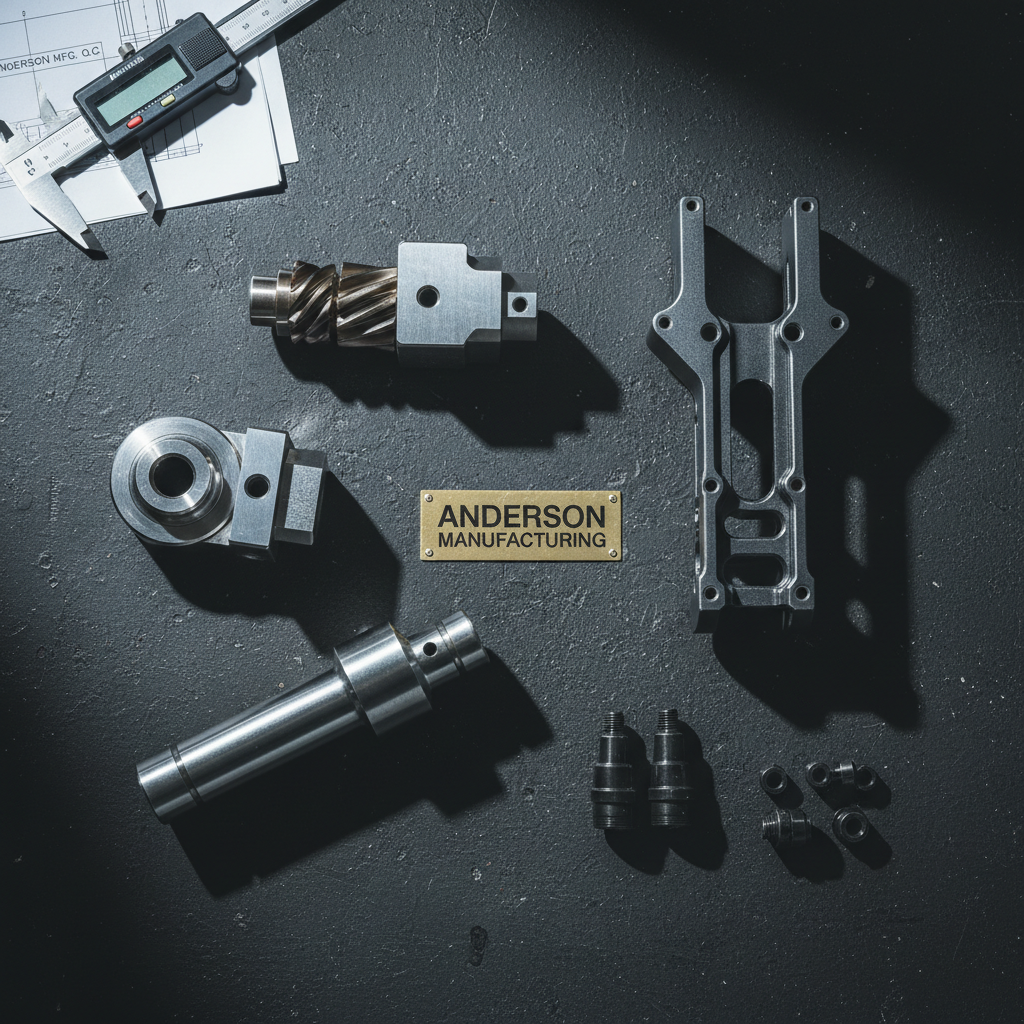
Building on the concept of machinability, specific material selection for machined parts requires a nuanced understanding of how different alloys perform under stress and environmental exposure. At Anderson Manufacturing, we categorize these materials into three primary tiers based on their functional trade-offs and fabrication requirements.
Aluminum remains the most widely used material in our shop due to its exceptional machinability and natural corrosion resistance. 6061-T6 is the general-purpose standard; it balances cost, strength, and weldability for components like custom enclosures or automotive parts. However, when a project demands higher fatigue resistance and yield strength, 7075-T6 is the preferred choice. While 7075 offers strength comparable to many steels, it is more difficult to machine and comes at a higher price point, making it suitable for aerospace components where every gram of weight savings is critical.
Steel provides the rigidity and durability required for heavy-duty industrial applications. For projects like assembly jigs, base plates, or simple mechanical mounts, low-carbon steels like 1018 offer the most practical path toward repeatable production processes. These materials are inexpensive and easy to machine, though they require plating or painting to prevent oxidation. If the operating environment involves moisture or harsh chemicals, stainless steels like 303 or 316 are necessary. 303 is sulfur-enhanced to improve machining speed, whereas 316 provides superior resistance to pitting in marine or medical environments.
Titanium, specifically Grade 5 (Ti-6Al-4V), is reserved for applications where the performance requirements justify the significant increase in both raw material cost and shop time. It offers the strength of high-alloy steel but at approximately 45 percent of the weight. Because titanium is a poor thermal conductor, it traps heat at the cutting edge, which can quickly degrade tools if the feed rates are not managed by an experienced team. We typically utilize titanium for high-performance aerospace fasteners or specialized medical components that must be biocompatible.
Material Category | Common Grade | Primary Advantage | Typical Application |
|---|---|---|---|
Aluminum | 6061-T6 | Versatility and Cost | Electronic enclosures, frames |
Aluminum | 7075-T6 | Strength-to-Weight | Aerospace, high-stress brackets |
Carbon Steel | 1018 | Cost and Rigidity | Industrial jigs, fixtures |
Stainless Steel | 304/316 | Corrosion Resistance | Food processing, marine hardware |
Titanium | Grade 5 | Extreme Strength/Weight | Aerospace turbines, medical implants |
Selecting between these options is a foundational step in our precision manufacturing and fabrication services. By matching the alloy to the specific mechanical load and environment, we help clients move from concept to production with a part that is engineered for long-term reliability without unnecessary expense.
Common Mistakes in Material Selection That Inflate Costs
Avoiding common pitfalls during material selection for machined parts is essential to maintaining a lean production budget. One of the most frequent errors is over-engineering the alloy. Engineers often default to high-strength options like 7075 aluminum or 300-series stainless steel because they offer a higher safety margin. However, if the functional requirements are met by 6061 aluminum or 1018 carbon steel, the higher-tier materials simply add unnecessary raw material costs and increase cycle times due to lower machinability.
Another significant cost driver is designing without regard for standard stock sizes. If a component is designed with a thickness of 1.1 inches, it cannot be cut from standard 1-inch plate. This requires purchasing 1.25-inch or 1.5-inch stock, resulting in higher material costs and excessive milling time to reach the final dimension. Aligning your geometry with standard bar or plate sizes allows our team to focus on precision manufacturing and fabrication services rather than removing bulk material that should not have been there in the first place.
Finally, requesting mismatched tolerances is a common error that leads to high scrap rates. Specifying aerospace-grade tolerances, such as ±0.0002 inches, on materials with high thermal expansion coefficients like certain plastics or aluminum alloys is often impractical. The material will naturally expand or contract based on ambient temperature changes, making such tight specs impossible to maintain without specialized climate control. To successfully move from concept to production, it is critical to match the precision of the design to the physical stability of the material, ensuring repeatable production processes that remain cost-effective.
The Link Between Material Choice and Post Processing
Selecting the right material selection for machined parts involves looking past the initial metal removal phase and considering how the component will be finished. Post processing is not a separate step; it is an extension of the material’s chemical and physical properties. If a project requires a specific aesthetic, surface hardness, or environmental protection, the alloy must be compatible with that process from the beginning.
For instance, while most aluminum can be anodized, the results vary wildly between alloys. 6061-T6 produces a consistent, high quality finish, but high silicon alloys or certain 7000 series grades may result in a duller, mottled appearance. Similarly, if a steel part requires significant wear resistance, you must select a grade like 4140 or O1 that responds well to heat treatment. Low carbon steels like 1018 can be case hardened to provide a durable outer layer, but they will never achieve the through hardness of a true tool steel.
Material Category | Compatible Finish | Primary Objective |
|---|---|---|
6000 Series Aluminum | Type II/III Anodizing | Corrosion resistance and surface hardness |
300 Series Stainless Steel | Passivation | Oxidation resistance via surface iron removal |
Alloy Steels (e.g., 4140) | Quench and Temper | Enhanced tensile strength and toughness |
Low Carbon Steels | Black Oxide or Zinc Plating | Cost effective corrosion protection |
When providing precision manufacturing and fabrication services, we evaluate these secondary processes to ensure repeatable production processes. By aligning material choice with the final finish early in the design phase, we help clients move from concept to production without discovering late stage incompatibilities that could jeopardize the component’s lifecycle or performance.
Why Practical Design Leads to Repeatable Production at Anderson Manufacturing
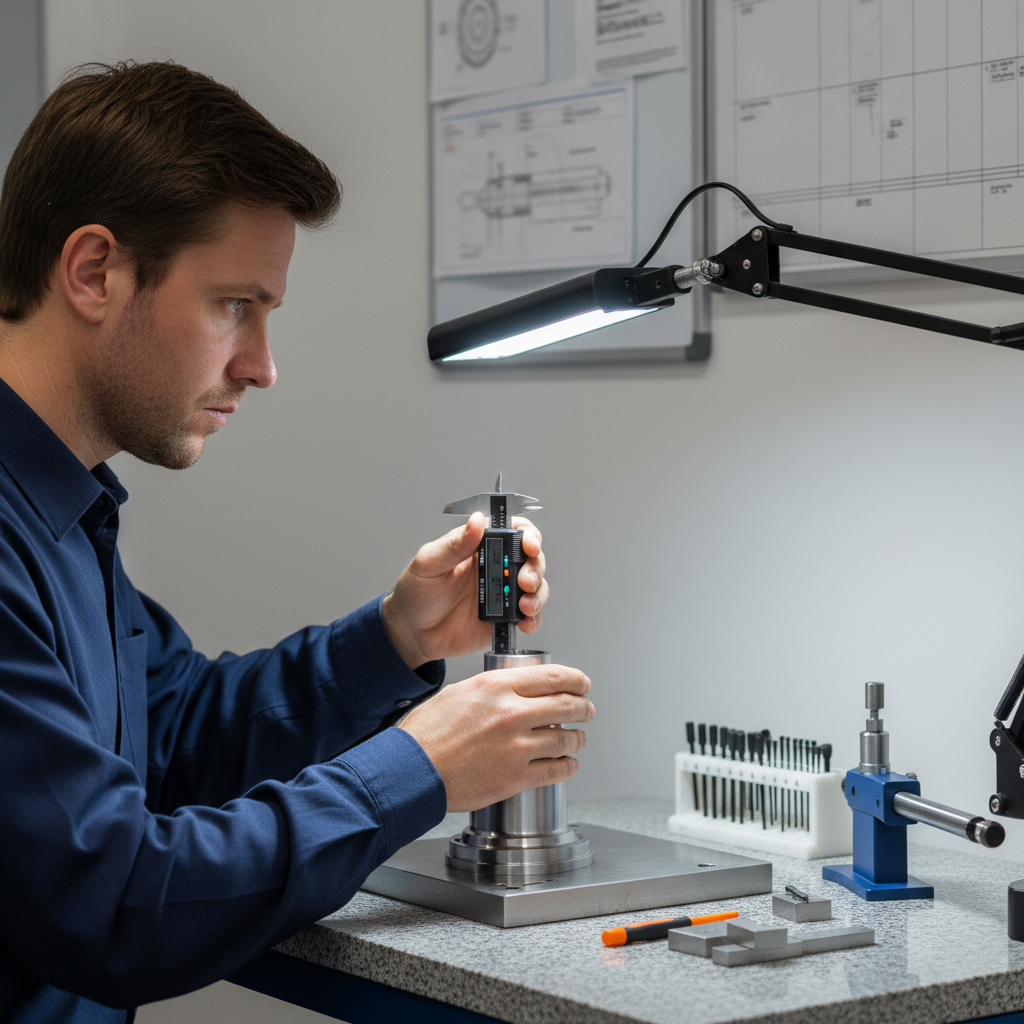
At Anderson Manufacturing in Ephraim, Utah, our philosophy centers on the transition from a functional design to a manufacturable asset. We believe that successful material selection for machined parts requires a deep integration between engineering specifications and floor-level production realities. When we evaluate a project, our team analyzes how a specific alloy affects tool life and cycle consistency. This foresight is critical for clients looking to move from concept to production without encountering the bottlenecks that arise from overly complex or difficult-to-machine materials.
By refining these choices early, we ensure that the components we build are optimized for repeatable production processes. A single prototype can be coaxed out of a difficult material, but scalable output relies on selecting stock that behaves predictably across every shift. Our precision manufacturing and fabrication services focus on these practical design elements, helping you balance mechanical performance with the logistical needs of a full production run. This disciplined approach ensures that your parts remain cost-effective and dimensionally stable from the first piece to the thousandth.
Selecting the ideal material for your machined parts requires a careful balance between mechanical performance and production costs. By understanding how various alloys and polymers impact fabrication, you can optimize your project for both durability and efficiency. If you find the selection process complex or want to ensure your specifications align with the best manufacturing practices, our team is ready to provide guidance. You can explore our services to see how our engineering expertise can help streamline your next production run.