Industrial fabrication relies on diverse metal joining methods, which are classified as either permanent connections like welding and brazing or removable joints such as bolts and screws. Permanent joints provide high structural integrity for fixed assemblies, while removable fasteners allow for periodic maintenance and component replacement. Choosing the right method involves balancing factors like material thickness, cost, and the need for future disassembly.
Selecting an unsuitable metal joining method often results in more than just minor assembly delays; it frequently leads to catastrophic structural failures or prohibitive long-term maintenance costs. For many engineers and project managers, the challenge lies in balancing the immediate rigidity of a permanent weld against the future serviceability of mechanical fasteners. This decision dictates not only the physical integrity of the final product but also the total cost of ownership and the feasibility of future repairs. In this technical overview, we will analyze the fundamental differences between permanent and removable joining techniques. You will gain a practical understanding of how to evaluate engineering tradeoffs between strength and scalability. By examining the specific roles of brazing, adhesives, and industrial fasteners, you can ensure your next fabrication project achieves the optimal balance of durability and economic efficiency.
Understanding the Fundamentals of Metal Joining Methods
Metal joining represents the critical bridge between individual part fabrication and a completed industrial assembly. It is the process of uniting separate components into a single unit capable of meeting specific structural or functional requirements. In a production environment, this transition must be handled with precision to maintain the integrity of the design and the reliability of the final product.
The industry classifies these techniques into two primary categories: permanent and removable joints. Permanent joints, such as those created through fusion or chemical bonding, are intended to remain intact for the life of the product. Removable joints utilize hardware to allow for non destructive disassembly, which is vital for maintenance or component replacement.
If you are asking, "What fabrication method joins metals together?", the answer involves three core techniques: - Welding: Fusing base metals together using heat, often with a filler material. - Mechanical Fastening: Using hardware like bolts, screws, or specialized PEM fasteners. - Adhesive Bonding: Utilizing high strength industrial chemicals to create a surface bond.
At Anderson Manufacturing in Ephraim, Utah, we apply these methods through our precision manufacturing and fabrication services to help clients move from concept to production. Selecting the correct method during the Design for Manufacturability phase ensures that the final assembly is both repeatable and cost effective.
Permanent Joining Methods: Welding, Brazing, and Adhesives
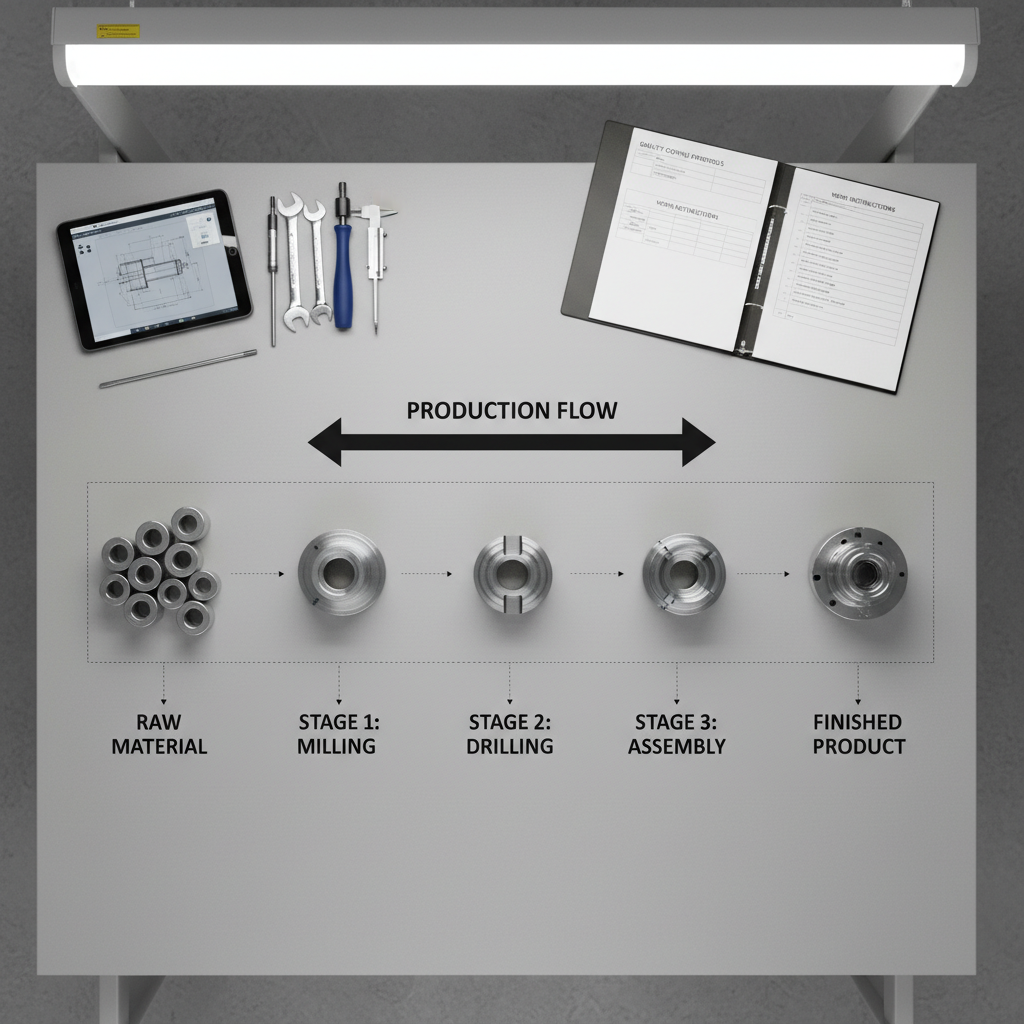
Permanent joining methods are selected when an assembly must function as a single, monolithic unit for its entire lifecycle. These techniques involve changing the physical state of the material or using chemical agents to create a bond that cannot be reversed without destroying the base components. This approach is standard in our precision manufacturing and fabrication services for components that face high stress or require hermetic sealing.
In heavy industrial applications, welding is the primary choice for structural integrity. The most common techniques we utilize are MIG and TIG welding. MIG welding is valued for its speed and efficiency in production environments, making it ideal for thicker structural steel components where repeatable, deep penetration is necessary. TIG welding offers a higher degree of precision and control, which is essential for thinner materials or applications where weld aesthetics and clean finishes are critical.
When engineers ask, "What is the strongest way to permanently join two pieces of metal?" the answer is almost always welding. Unlike mechanical methods that rely on friction or localized pressure, welding creates a molecular bond. By melting the base metals and a filler material together, the joint effectively becomes part of the material itself. When executed correctly, the weld zone often exceeds the strength of the surrounding base metal, ensuring that the joint is not the point of failure under load.
Brazing serves as a related permanent method, though it operates on a different principle. Instead of melting the base metal, brazing uses a filler metal with a lower melting point that is drawn into the joint via capillary action. This is particularly useful for joining dissimilar metals or when the high heat of welding might warp the components.
For applications where heat must be avoided entirely, industrial adhesives provide a sophisticated weld-free alternative. High-strength structural epoxies and acrylics distribute stress evenly across the entire surface area of the joint rather than concentrating it at specific points. This is beneficial for thin sheet metal or when joining metal to non-metallic substrates to prevent galvanic corrosion. While these methods offer superior resistance to vibration and long-term environmental stress, they provide zero serviceability. Once joined, the components cannot be separated for repair or adjustment without significant damage. For projects requiring these permanent solutions, you can contact our engineering team to determine which fusion or chemical method aligns with your material specifications.
Removable Joining Methods: The Role of Mechanical Fasteners
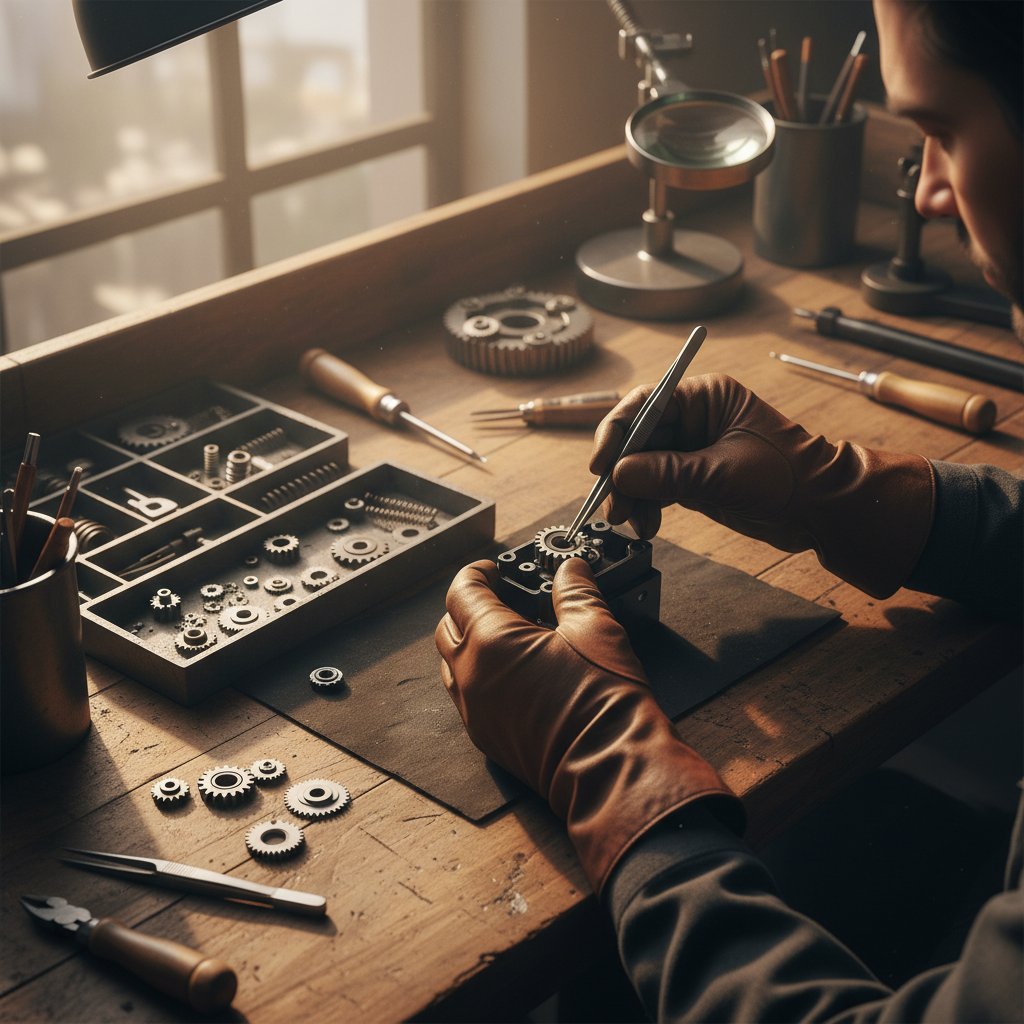
While permanent fusion offers unmatched structural rigidity, it creates a significant barrier to maintenance and iterative design. In contrast, mechanical fasteners provide a versatile alternative for assemblies that require modularity or regular inspection. When engineers need to join two pieces of metal without welding, they turn to a variety of hardware solutions that prioritize serviceability over monolithic strength.
Bolts and nuts are the primary choice for heavy duty structural applications where high clamping force is necessary. For thinner materials or enclosures, machine screws and self-tapping screws are standard. A particularly effective solution in our precision manufacturing and fabrication services involves the use of PEM fasteners. These are self clinching nuts, studs, or standoffs that are pressed into pre-drilled or punched holes in sheet metal. Once installed, they become a permanent part of the host component, providing high strength threads in materials that are otherwise too thin to be tapped.
Choosing these metal joining methods offers several operational advantages:
Modularity: Components can be swapped or upgraded without destroying the surrounding structure. This is critical for prototypes or equipment that may require future enhancements.
Serviceability: Wear items, such as liner plates or motor mounts, eventually fail. Removable joints allow for rapid replacement, reducing downtime and total lifecycle costs.
Material Compatibility: Mechanical fasteners can join dissimilar metals, such as aluminum to steel, without the risk of cracking or the complex metallurgical considerations required in welding.
Field Accessibility: Repairs can be performed with standard hand tools. This eliminates the need for specialized welding equipment and certified technicians in remote field environments.
At Anderson Manufacturing, we integrate these hardware choices during the Design for Manufacturability phase to ensure that the assembly process remains scalable. By selecting the right fastener for the load and environment, we provide clients with robust assemblies that remain functional and maintainable long after they leave our facility in Ephraim.
Strength vs Serviceability: The Engineering Tradeoff
The decision between permanent and removable metal joining methods often hinges on the conflict between structural rigidity and long term accessibility. Engineers must weigh the immediate benefits of a fused joint against the long term maintenance requirements of the assembly. Permanent joints, particularly those achieved through welding, provide unmatched resistance to vibration and allow for hermetic seals that are essential for pressure vessels or fluid systems. However, these benefits come at the cost of zero serviceability.
Feature | Permanent (Welding/Adhesives) | Removable (Bolts/PEMs/Screws) |
|---|---|---|
Joint Integrity | Monolithic; molecular bond | Mechanical; dependent on clamping force |
Vibration Handling | Cannot loosen; handles high fatigue | Risk of backing out; requires locking hardware |
Maintenance | Destructive removal only | Non destructive disassembly |
Sealing | Naturally airtight and watertight | Requires secondary gaskets or O-rings |
At Anderson Manufacturing, our approach to practical design involves analyzing the serviceability factor. Choosing a permanent weld for a component prone to wear, such as a conveyor chute liner or a hydraulic mounting bracket, can lead to massive lifecycle costs for a client. When a wear item is welded, replacement requires a skilled technician to cut or grind the joint, which risks damaging the parent structure and significantly increases downtime.
By integrating Design for Manufacturability principles early, we ensure the joint type aligns with the end-use environment. For projects where maintenance access is as critical as structural load, we leverage our precision manufacturing and fabrication services to implement high grade mechanical fastening systems that maintain integrity without sacrificing flexibility. If you are unsure which method fits your equipment's lifecycle, contact our engineering team for a detailed assessment of your specific application requirements.
How Joining Choices Drive Fabrication Costs and Scalability
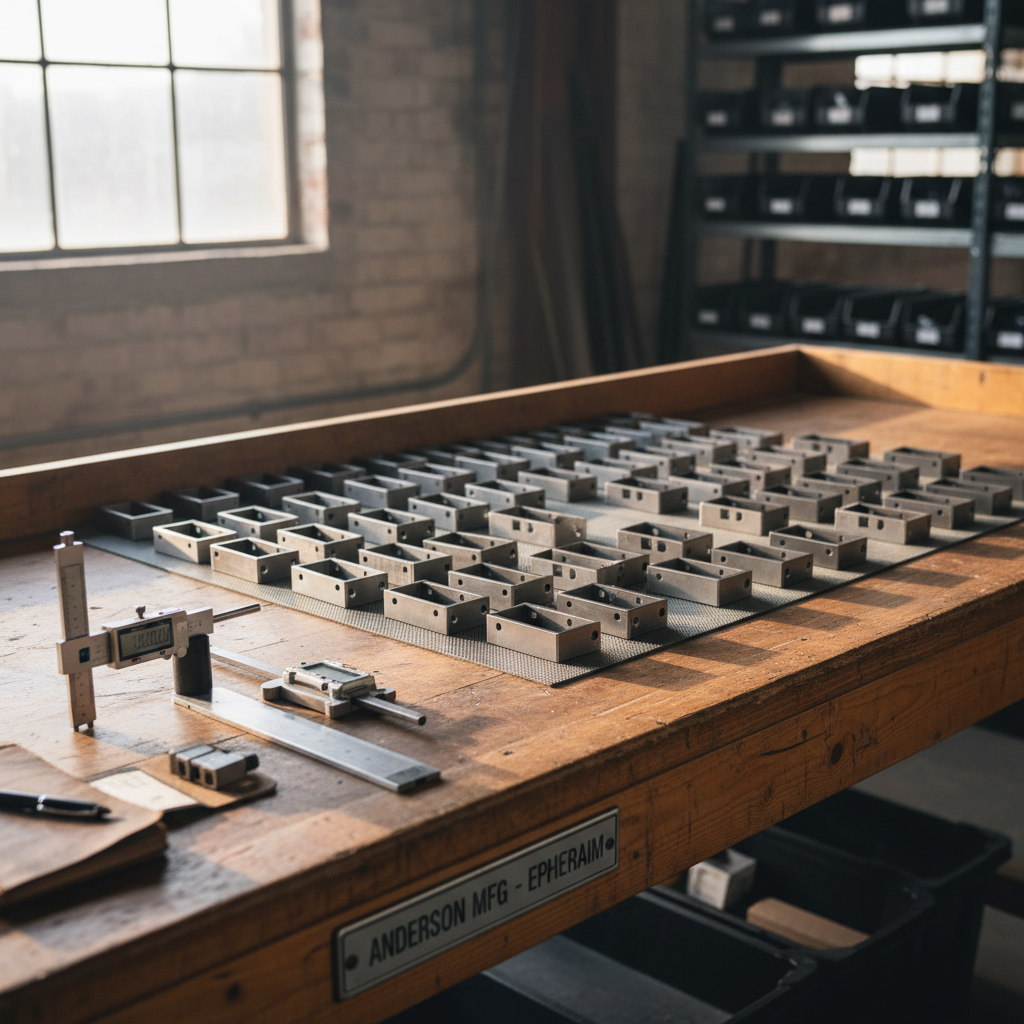
The selection of a joint type is a significant driver of both initial production costs and long term scalability. In our Ephraim facility, we analyze these trade-offs to ensure that a project's budget remains aligned with its volume requirements. Welding, while material efficient, is labor intensive. It requires certified technicians to manage heat input and penetration; additionally, it often necessitates secondary finishing processes. Grinding, polishing, and removing weld spatter can significantly increase the total man hours per unit.
Mechanical fastening shifts the cost structure. While the individual unit price for specialized hardware like PEM fasteners or Grade 8 bolts is higher than welding wire, the assembly time is typically much shorter. Fastening allows for a repeatable production flow that does not require the same level of specialized labor as a TIG weld station. This makes mechanical joining a preferred choice for scaling production without a linear increase in labor costs.
For many of our clients, the goal is optimizing the true drivers of low volume manufacturing cost. We look at the total cost of ownership, including setup time, fixture requirements, and the risk of heat distortion. In thin gauge materials, the cost of correcting a warped welded assembly often outweighs the price of high quality mechanical fasteners. By integrating Design for Manufacturability early, Anderson Manufacturing helps you balance these variables. We utilize our precision manufacturing and fabrication services to select the method that offers the most efficient path to production. If you are refining a prototype for a larger production run, contact our engineering team to discuss how specific joining choices will impact your bottom line.
Selecting the Right Metal Joining Method for Your Project
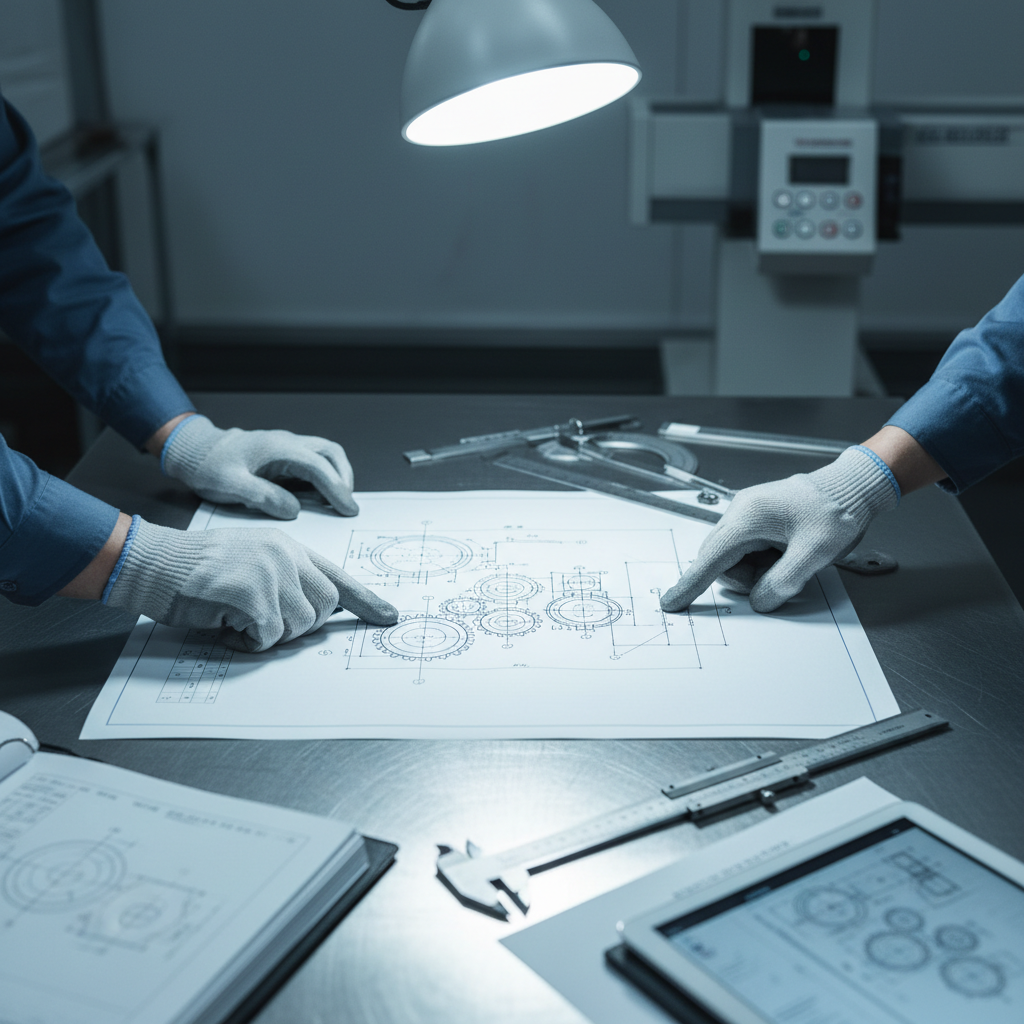
Finalizing the selection requires an objective look at the physical constraints of the material and the operational environment of the assembly. For instance, thin sheet metal components often benefit from cold joining techniques like clinching or riveting. These methods avoid the thermal stress that causes warping in thin gauges, a common issue when using high heat metal joining methods.
Primary Factor | Recommended Joining Method | Engineering Rationale |
|---|---|---|
Thin Gauge Sheets | Rivets, Clinching, Adhesives | Prevents heat distortion and burn through |
Dissimilar Metals | Mechanical Fasteners, Adhesives | Eliminates galvanic corrosion and metallurgical cracking |
High Vibration | Welding or Locking Hardware | Ensures joints do not loosen during operation |
High Aesthetic Value | Industrial Adhesives, Spot Welding | Minimizes the need for secondary grinding and finishing |
Environmental exposure also dictates hardware choices. Assemblies destined for corrosive environments may require specialized stainless steel fasteners or structural adhesives to protect the integrity of the joint interface. Integrating Design for Manufacturability principles early allows our team to identify these variables before production begins. At Anderson Manufacturing, we encourage clients to engage with our precision manufacturing and fabrication services during the initial drafting phase. Over engineering a joint by specifying complex welds where a simple mechanical fastener suffices adds unnecessary cost without improving performance. To find the most efficient solution for your specific application, contact our engineering team to review your prints and production goals.