Machining is a subtractive process that removes material from a solid block for high precision, whereas fabrication involves forming and joining raw materials into a final product. The choice between machining vs fabrication relies on project requirements; fabrication is generally more economical for high-volume components, while machining is better suited for complex parts with tight tolerances.
Selecting between machining and fabrication often involves a difficult trade-off between surgical precision and structural efficiency. For engineers managing high stakes projects, choosing the wrong process can lead to excessive material waste, budget overruns, or components that fail to meet mission critical tolerances. Identifying the right approach is about more than just selecting a toolset; it is a strategic decision that impacts the entire production lifecycle. This guide explores the technical distinctions between subtractive machining and structural fabrication. We will break down the cost implications of each method, analyze how geometry influences your choice, and define the specific criteria for selecting the most efficient path. By understanding these core differences, you can ensure your next project achieves the exact balance of durability and dimensional accuracy required for industrial excellence.
Defining the Difference: Machining vs Fabrication for Engineers
Selecting the appropriate manufacturing method requires a clear understanding of how material is manipulated to reach a final geometry. At its core, the choice of machining vs fabrication comes down to how a part is built. Machining is a subtractive process. It behaves much like sculpting; a technician starts with a solid block of material, such as billet aluminum or steel, and removes material until the desired shape remains. This method is defined by its ability to achieve extreme precision and complex internal features.
Fabrication, by contrast, is a constructive process often described as industrial origami. Instead of cutting away from a solid mass, fabrication involves cutting, bending, and joining materials; typically sheet metal, tubing, or structural beams; to create a finished assembly. While distinct in their mechanical approaches, these processes are rarely mutually exclusive. Complex assemblies frequently require a hybrid approach where fabricated frames support high precision machined components.
Based in Ephraim, Utah, Anderson Manufacturing provides precision manufacturing and fabrication services that bridge these two disciplines. We work with engineers to determine which method, or combination thereof, provides the most repeatable processes and scalable output for their specific operational requirements. Understanding these nuances early in the design phase is critical for optimizing production runs and ensuring long term reliability.
The Machining Process: Subtractive Precision from Solid Stock
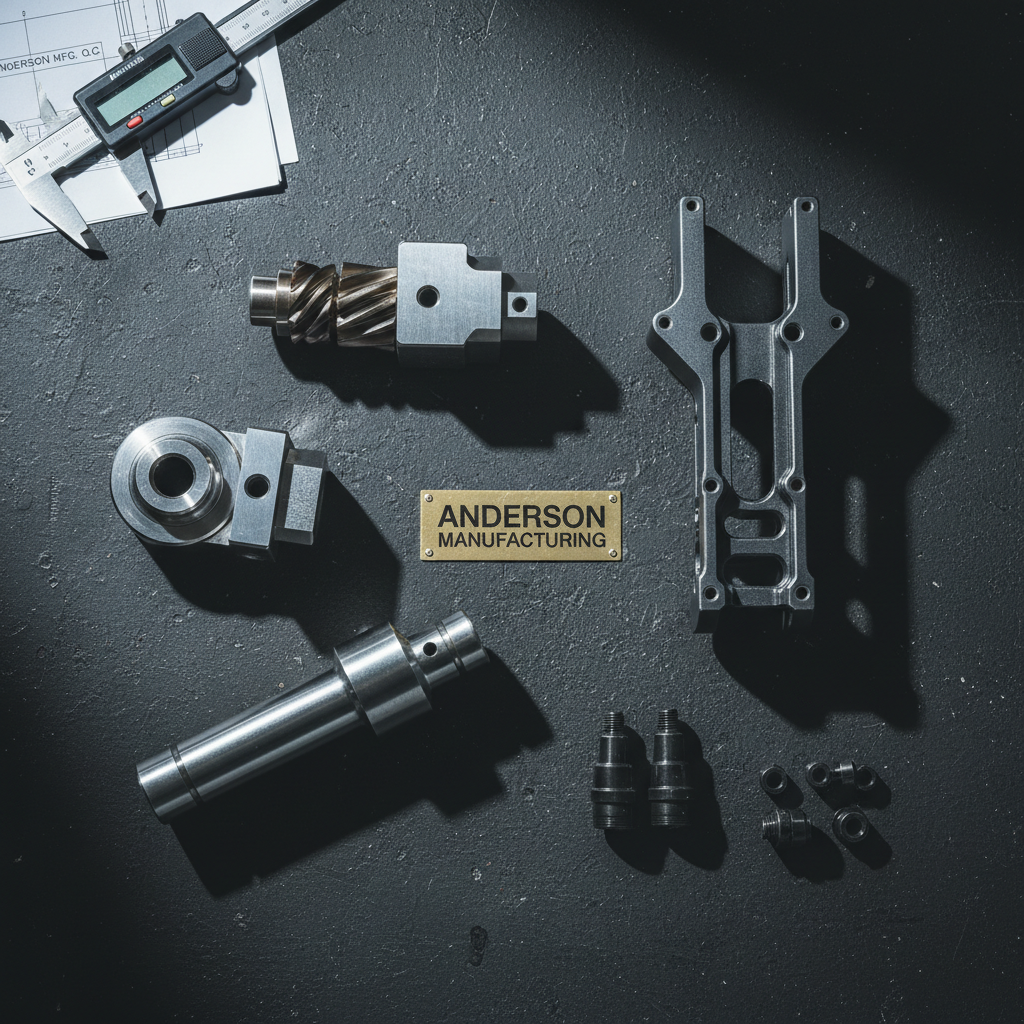
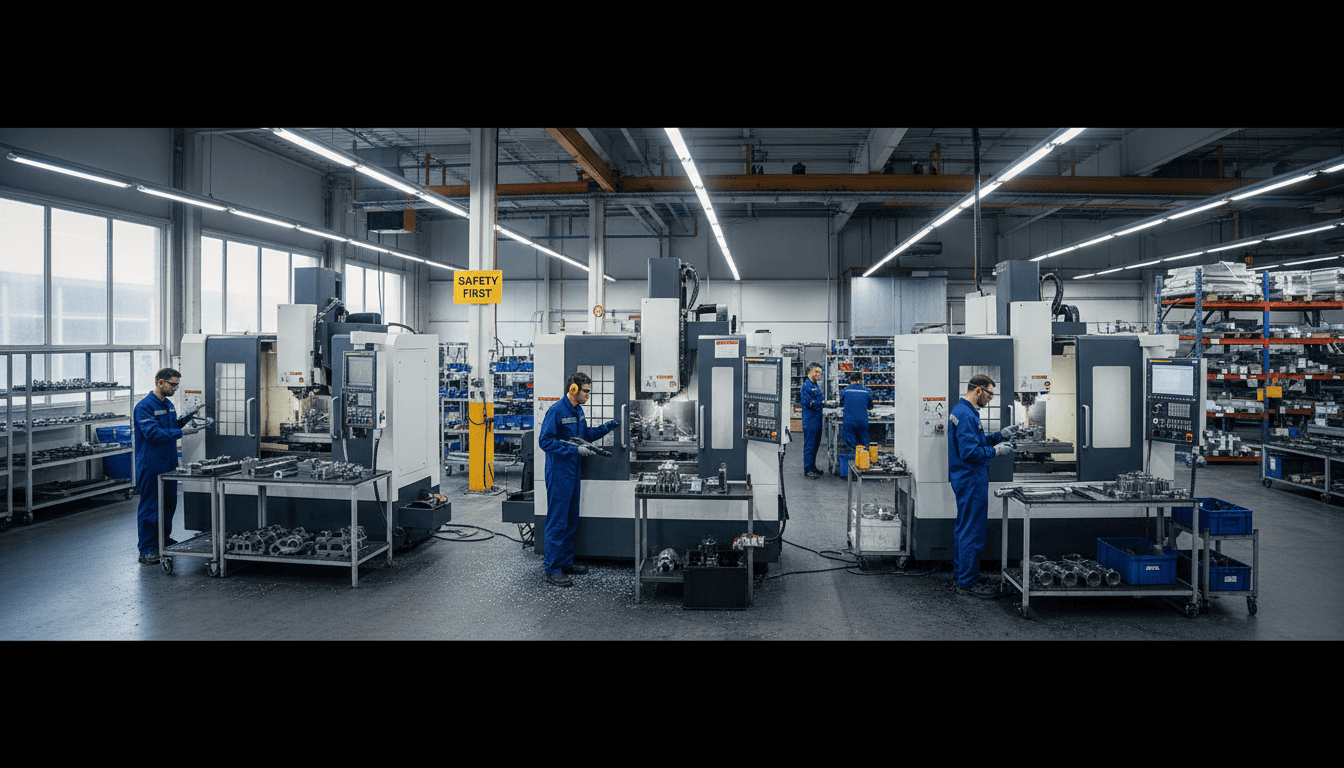
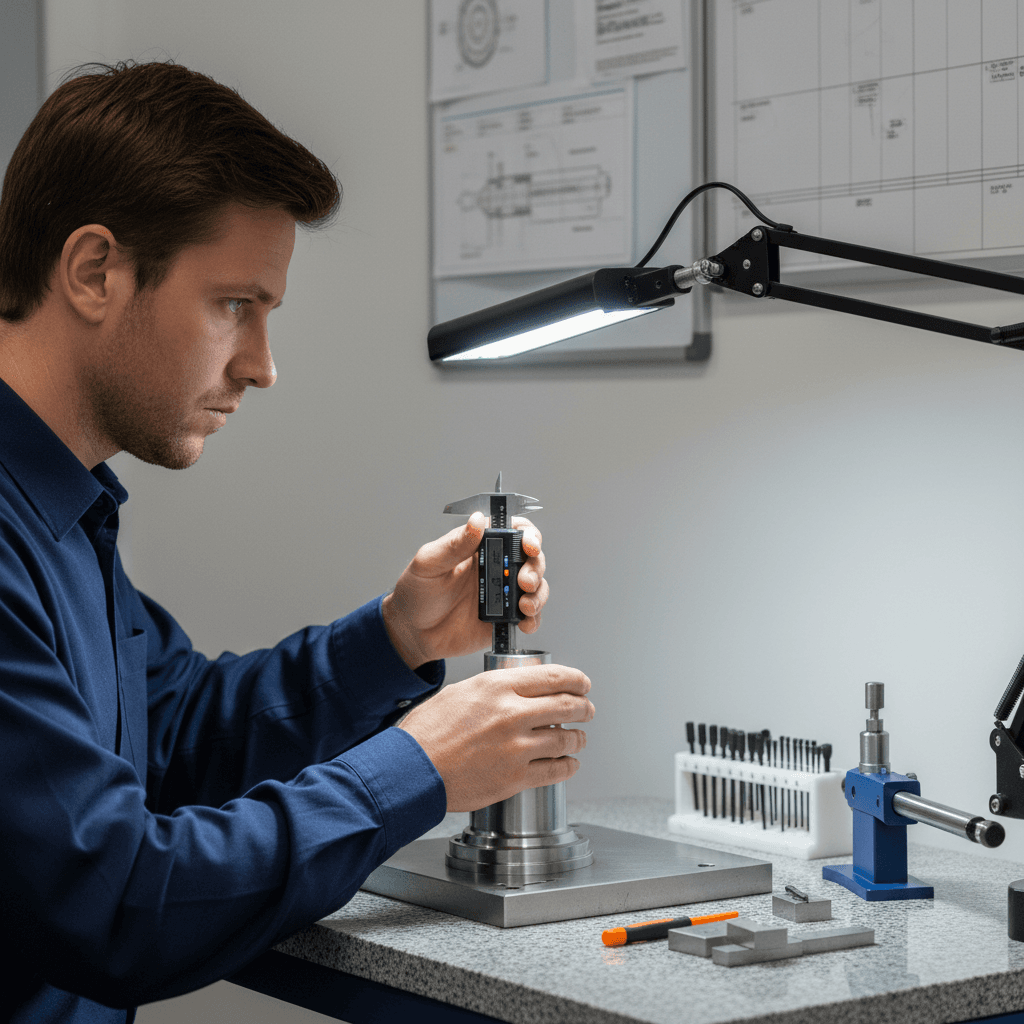
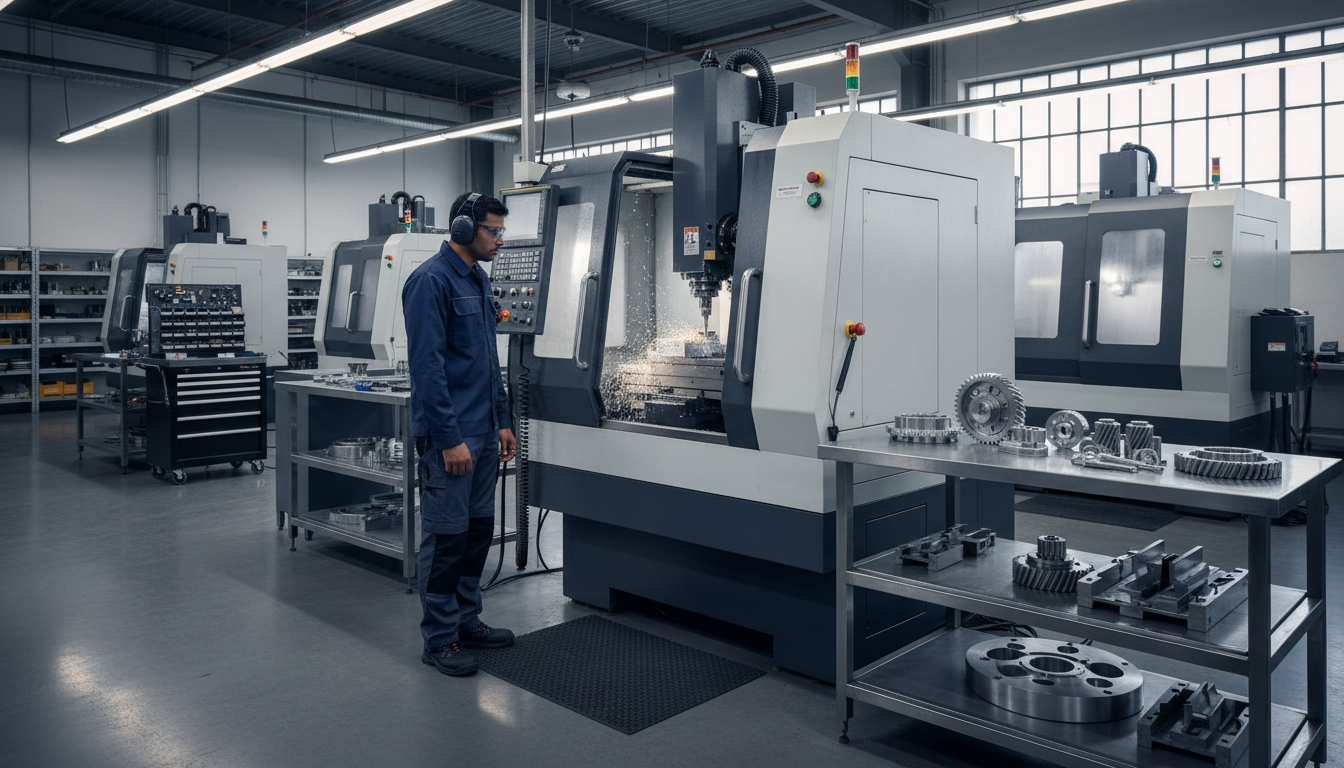
To understand the practical application of machining vs fabrication, one must look at the precision required for the end component. CNC machining begins with a solid piece of stock, often referred to as billet, and utilizes high-speed cutting tools to remove material in the form of chips. This subtractive method allows for the creation of features that are physically impossible to achieve through folding or welding sheet metal. We utilize this process when a design demands micron-level accuracy and tight tolerances, often reaching +/- .001 inches or better.
Engineers specify machining for components with critical mating surfaces, such as bearing housings or valve manifolds, where a perfectly flat or concentric finish is mandatory. It is also the standard for complex internal threading and intricate 3D geometries that require a high-quality surface finish directly off the machine tool. Because the process is driven by digital instructions, it offers high setup speed for low-volume runs without the need for specialized dies or forming tools. This makes it an ideal choice for prototyping or producing small batches of high-precision parts where the overhead of custom fabrication tooling isn't justified.
At our Ephraim facility, we use these repeatable processes to ensure that every dimension meets the original CAD specifications. If your project involves high-value materials or requires the removal of significant mass to reach a final shape, contact our engineering team to evaluate the feasibility of a machined approach. By leveraging modern precision manufacturing and fabrication services, we help clients navigate these technical requirements to ensure the final product performs reliably under operational stress.
The Fabrication Process: Building Structures Through Cutting and Forming
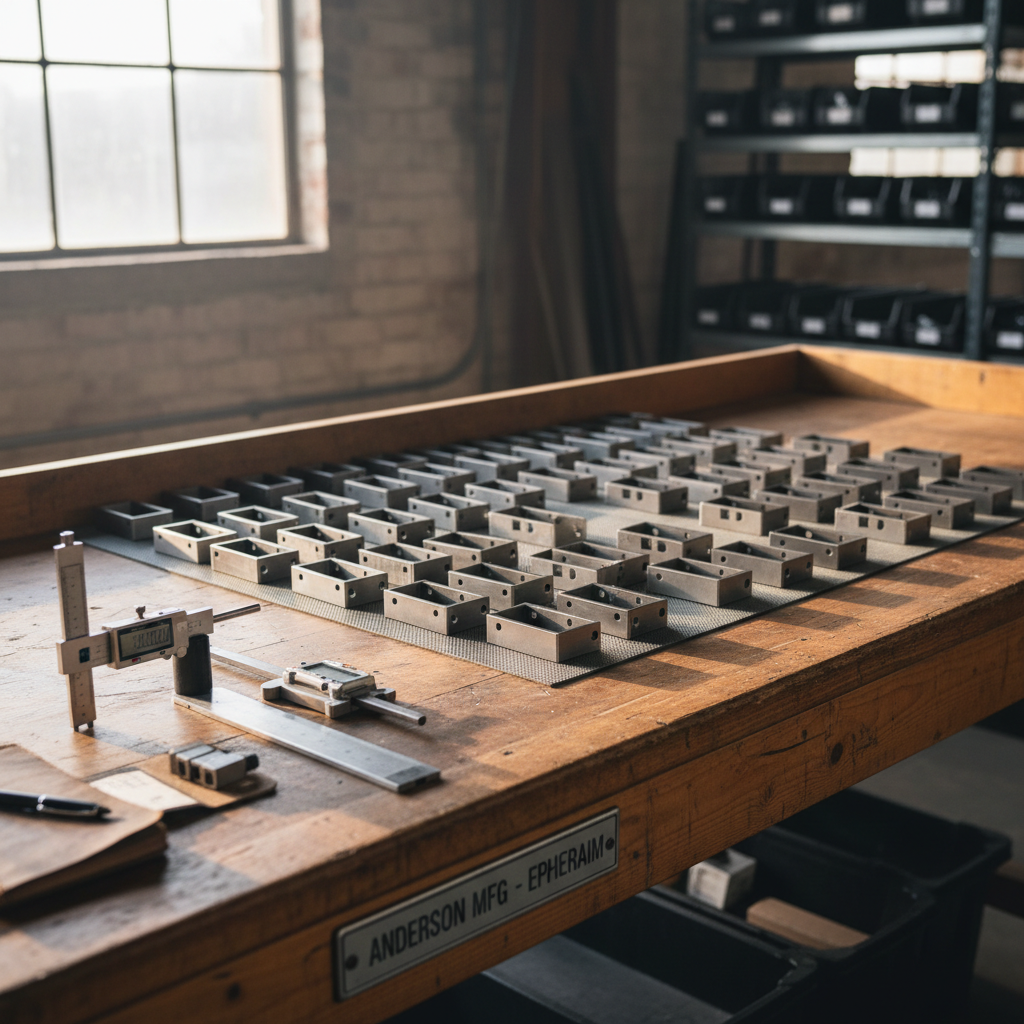
While machining refines a solid block, fabrication builds geometry by manipulating raw stock such as sheet metal, plate, tubing, and structural beams. This process is the preferred solution for larger, hollow, or framed components where material efficiency and weight reduction are primary design requirements. Instead of milling away vast amounts of material to create a cavity, fabrication utilizes these precision manufacturing and fabrication services to form shapes that are inherently light and structurally sound.
The workflow typically begins with cutting flat patterns from sheet or plate stock using laser or plasma systems. These systems provide the speed necessary for scalable production while maintaining the dimensional accuracy required for subsequent steps. Once cut, the material moves to brake forming, where specialized presses apply force to bend the metal at specific angles, transforming two-dimensional flats into three-dimensional components. Unlike machining, which treats material as a volume to be reduced, fabrication treats it as a surface to be formed.
The final stage of the fabrication process involves assembly, primarily through welding. Whether using MIG or TIG techniques, welding joins separate components into a single, cohesive structure. This allows for the creation of complex assemblies, such as chassis or industrial enclosures, that would be physically impossible or prohibitively expensive to machine from a single billet. By focusing on repeatable processes, we ensure that these formed and welded structures meet structural integrity standards without the unnecessary waste of a subtractive approach. This methodology is particularly effective for components where the focus is on outer dimensions and structural rigidity rather than the micron-level internal tolerances often debated in the machining vs fabrication decision process.
Cost Comparison: Is Fabrication Cheaper Than Machining?
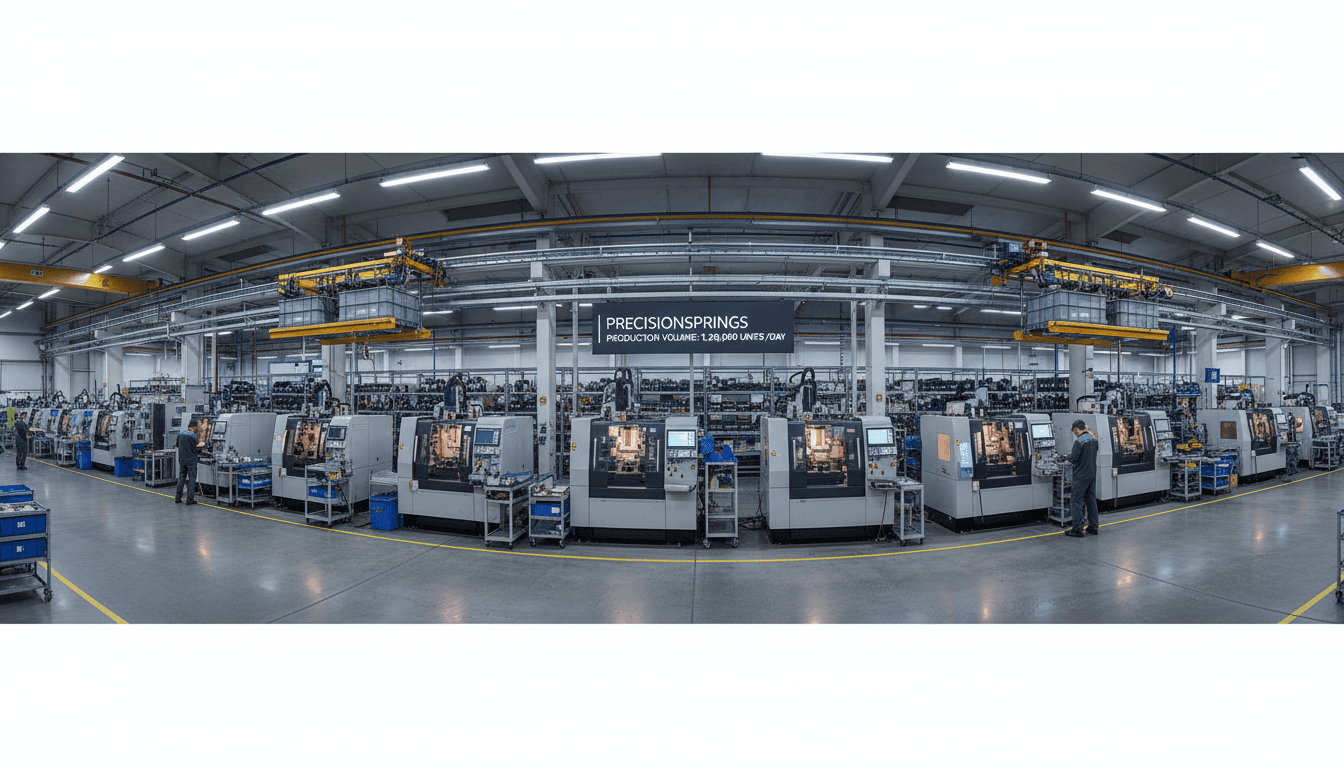
Determining if fabrication is cheaper than machining requires an analysis of material utilization and total cycle time. Generally, fabrication provides a lower price point for larger components and higher production volumes, particularly when a run reaches 50 to 100 units. The primary driver here is the cost of raw materials. When machining a part, you pay for the entire volume of a solid block of aluminum or steel, even if 70 percent of that material ends up as scrap chips. With fabrication, you pay for the sheet area or linear footage of structural stock, which significantly reduces the initial investment in raw material.
Machine time also dictates the final cost. CNC mills require constant interaction between the cutting tool and the workpiece, whereas a laser can cut flat profiles for a dozen fabricated assemblies in a fraction of the time it takes to mill a single complex geometry. However, the machining vs fabrication cost analysis shifts if a part requires secondary operations. If a fabricated assembly requires post-weld machining to achieve a critical mating tolerance, the added labor and dual setup time often negate the initial savings of sheet metal. In these instances, starting with a solid block and utilizing our precision manufacturing and fabrication services to machine the part in one or two operations may be more cost-effective.
Factor | Fabrication Cost Profile | Machining Cost Profile |
|---|---|---|
Material Waste | Low; high material utilization | High; significant scrap volume |
Setup Time | Higher for complex welding jigs | Moderate for CNC programming |
Scalability | High efficiency above 100 units | High efficiency for complex small parts |
Precision | Standard tolerances (+/- .010) | High precision (+/- .001) |
For high-volume structural work, the speed of brake forming and welding typically wins. For low-volume parts requiring extreme accuracy, the overhead of specialized fabrication tooling might make a fully machined part the smarter investment. At our Ephraim facility, we focus on repeatable processes to help clients find the balance between upfront material costs and final operational requirements. If you are unsure which path yields the best ROI for your project, contact our engineering team to review your specific design and production goals.
Key Decision Factors: How to Choose the Right Method
Deciding between machining vs fabrication requires evaluating four primary technical pillars to ensure the final product meets both performance and budget goals. Engineers should assess these factors during the initial design phase to determine which production path aligns with the intended use of the component.
Tolerance Requirements: CNC machining is the gold standard for high precision, typically achieving +/- .001 inches or better. Fabrication is generally suited for broader tolerances, ranging from +/- .005 to .030 inches, depending on the thickness and complexity of the bends.
Part Geometry: Components with thin walls, hollow interiors, or large frame-like structures are naturally suited for fabrication. Conversely, parts that are solid, feature intricate internal channels, or require 3D surfacing must be machined from solid stock.
Production Volume: For low-volume prototyping of precision parts, machining avoids the need for custom jigs. However, high-volume structural production benefits from the speed of automated cutting and forming found in fabrication.
Material Utilization: High-cost materials, such as Titanium or specialized nickel alloys, favor fabrication. Using sheet or plate stock minimizes scrap, whereas machining these materials results in significant waste as high-value material is removed as chips.
At Anderson Manufacturing, our practical design philosophy focuses on maximizing efficiency by looking at the end use of every part. We often work with clients to determine if a complex design can be simplified to move from a machined part to a fabricated assembly. This transition can significantly reduce costs without compromising structural integrity. By leveraging our precision manufacturing and fabrication services in Ephraim, we help refine designs to ensure repeatable processes and scalable output. If you are refining a design for manufacture, contact our engineering team to review your specifications and identify the most reliable production method.
The Integrated Approach: How Anderson Manufacturing Combines Both Methods
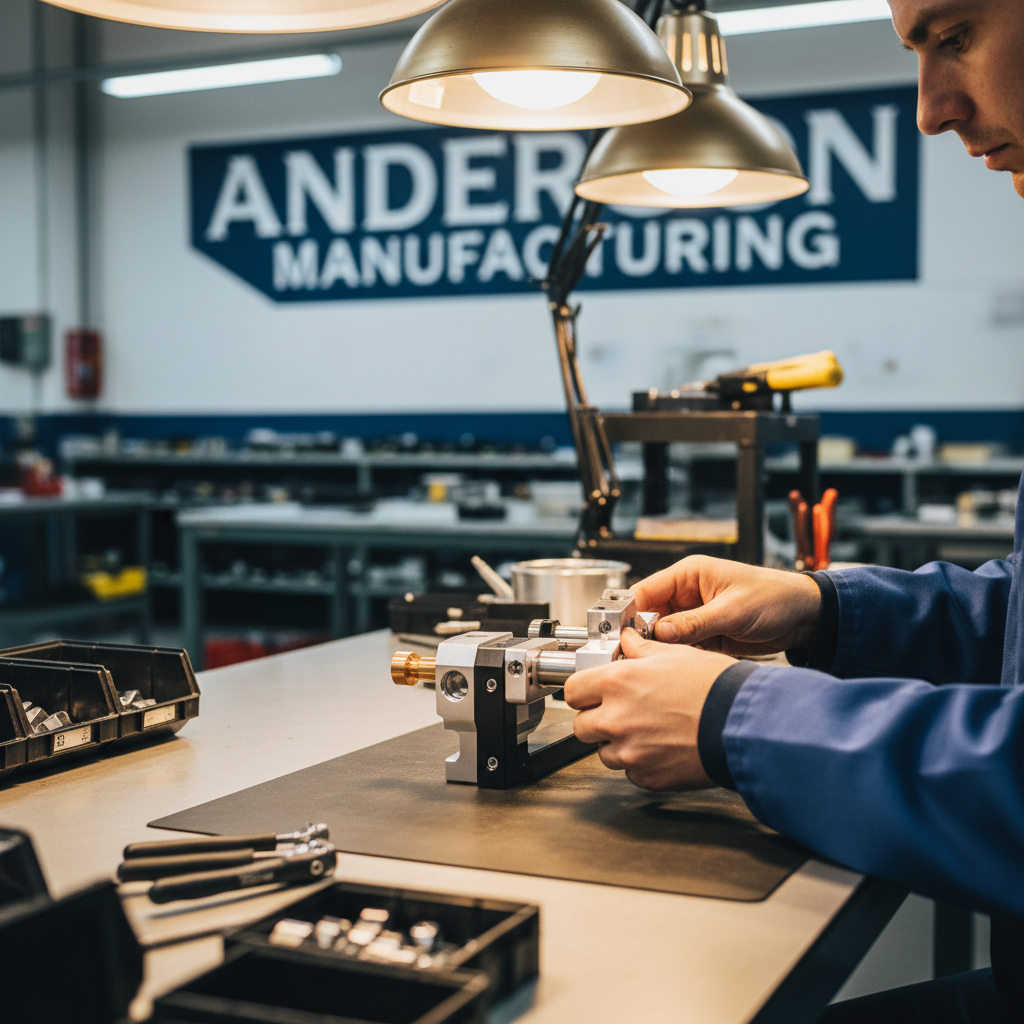
The debate between machining vs fabrication often presents a false choice. In practice, the most efficient industrial designs are hybrid assemblies that leverage the strengths of both processes. A fabricated structural frame, for example, often requires precision machined mounting blocks or high-tolerance hinge points to be welded or fastened into place. By centralizing these precision manufacturing and fabrication services at our Ephraim facility, we eliminate the logistical delays and communication gaps that occur when shipping components between multiple specialized vendors.
Our capability in assembly and production support allows us to maintain strict control over the entire workflow. When a machined component is integrated into a larger fabrication, we ensure that critical tolerances are preserved through the welding and finishing stages. This holistic oversight is how we deliver repeatable processes and scalable output for our clients. Having engineering, production, and quality control under one roof means we can identify potential assembly issues early in the production cycle. To discuss how an integrated approach can streamline your next production run, contact our engineering team to review your project requirements.
Deciding between machining and fabrication ultimately comes down to your project’s specific tolerances, materials, and structural needs. While machining provides high precision for complex geometries, fabrication remains the preferred choice for larger assemblies. If you want expert help determining the most efficient approach for your components, professional insight can save significant time and resources. You can learn more about our team and our commitment to quality to see how we assist with these critical manufacturing choices.