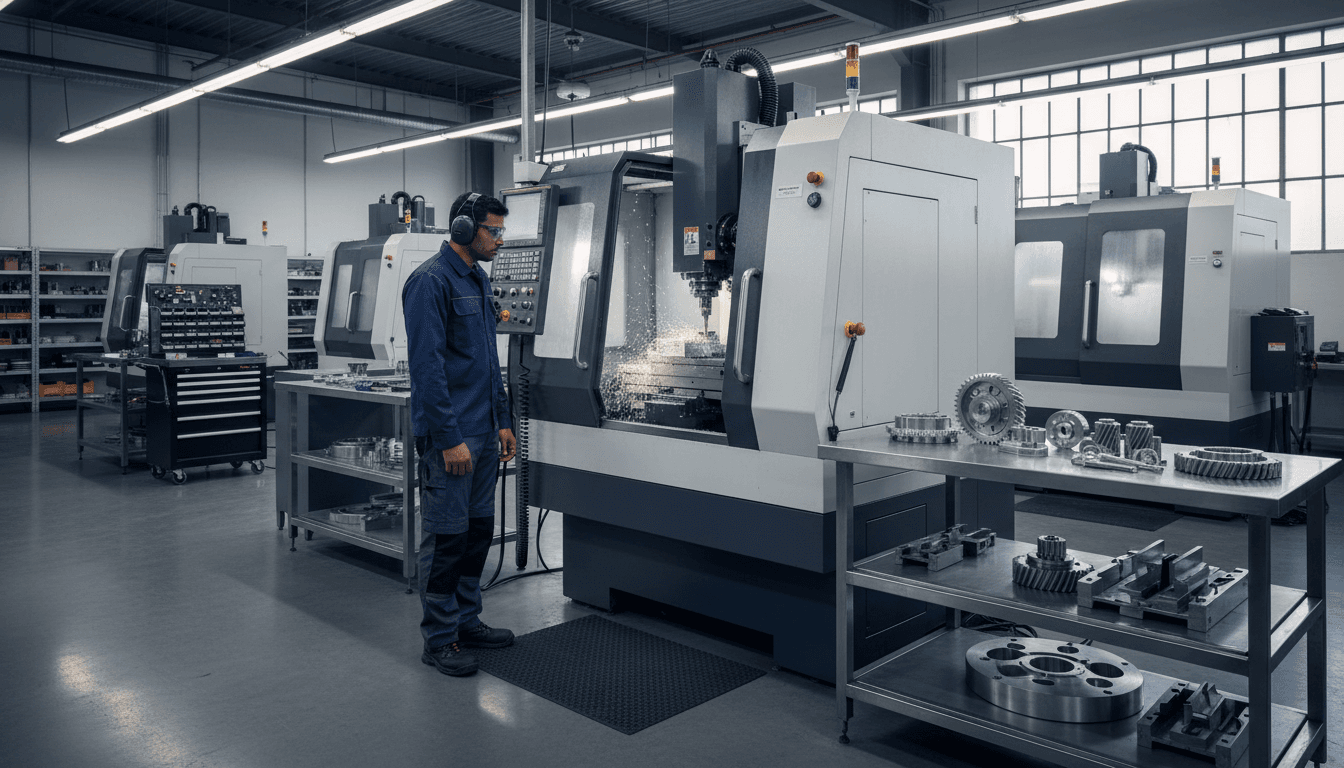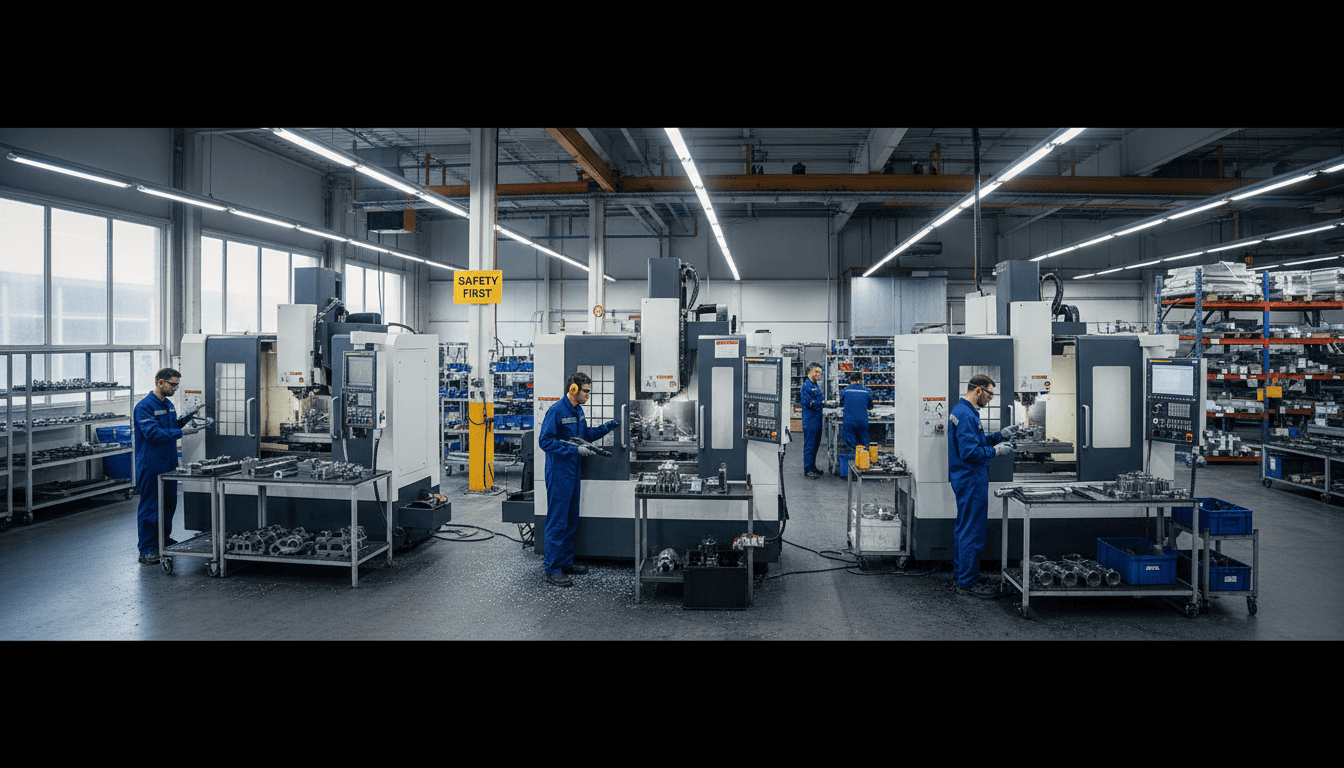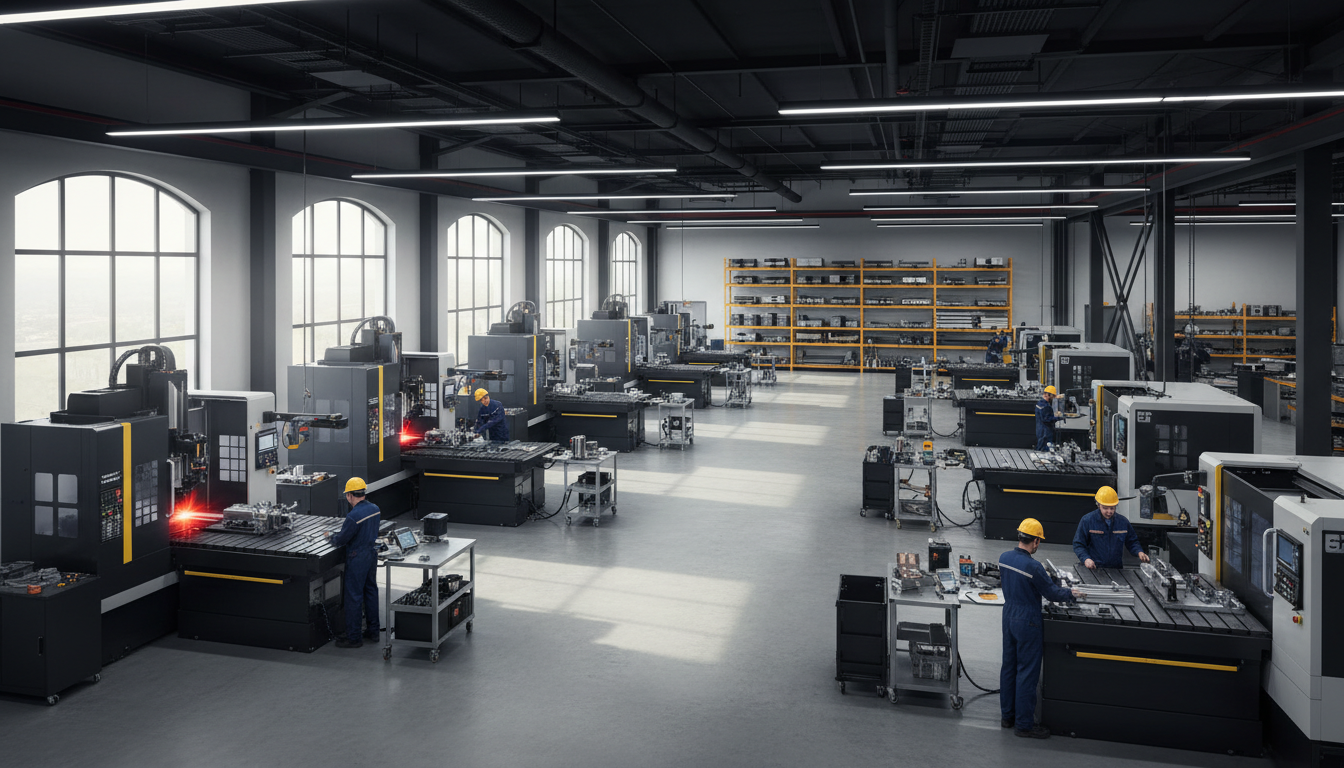
Custom metal fabrication encompasses a multi-stage workflow including design, material cutting, assembly, and finishing. Managing project lead times effectively requires precise coordination of these manufacturing phases alongside shipping logistics to ensure components are delivered on schedule.
In the world of industrial manufacturing, a delayed shipment of custom metal components can stall an entire production line and inflate overhead costs. It is a common frustration for procurement managers who need precision without the wait. Navigating the complexities of custom fabrication requires more than just high quality welding or cutting; it demands a deep understanding of the entire project lifecycle. At Anderson Manufacturing, we believe that transparency in the manufacturing process is the key to reliability. This guide provides a detailed walkthrough of the fabrication journey, beginning at the initial RFQ and moving through design, procurement, and final finishing. You will discover the specific factors that influence lead times and learn actionable strategies to streamline your workflow, ensuring your critical components arrive exactly when you need them.
Understanding the Custom Metal Fabrication Lifecycle
Custom metal fabrication is a comprehensive manufacturing service that transforms raw stock, such as steel plate, aluminum sheet, or structural tubing, into precise components or complex assemblies tailored to a specific application. A common question buyers ask is, "What is a custom fabricator?" In practice, a fabricator is a technical partner that integrates engineering expertise, material science, and high-precision machinery to solve unique design challenges.
This process stands in sharp contrast to purchasing "off the shelf" parts. While catalog hardware is mass produced to generic standards, custom fabrication allows for optimized weight, specific load tolerances, and proprietary geometries that standard inventory cannot accommodate. When a project requires precision manufacturing and fabrication services to meet strict operational requirements, the custom route is often the only viable path to ensure reliability.
Understanding the project lifecycle is essential for managing delivery expectations. Lead time is not a static duration or a simple measure of how fast a machine runs; it is a series of critical dependencies. These dependencies begin during the initial discovery phase, long before the first piece of metal is cut. Success in shortening these windows requires recognizing that every design choice, material selection, and documentation detail directly impacts the timeline from the moment the project begins.
Phase 1: The RFQ and Discovery Stage
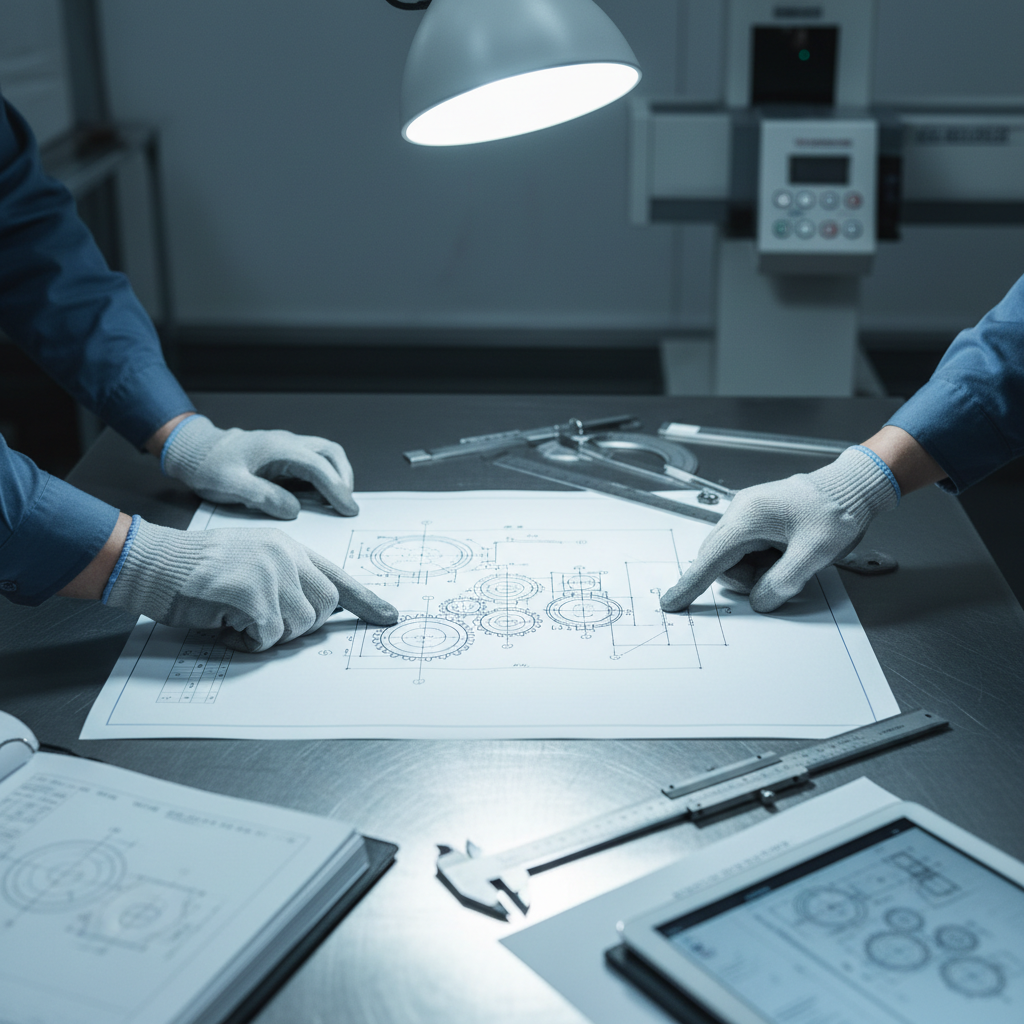
The Request for Quote (RFQ) is the most critical document in the custom metal fabrication lifecycle. It serves as the definitive technical baseline for the project, determining not only the cost but also the feasibility and timeline. When a buyer submits a comprehensive package, it allows the fabrication team to move directly into production planning rather than spending days or weeks clarifying intent.
To receive an accurate quote and avoid unnecessary delays, a buyer should provide a complete data package including: - 3D CAD Files: Formats like STEP or IGES allow for immediate geometric analysis and machine programming. - Detailed 2D Drawings: These are necessary for identifying critical tolerances, thread pitches, and specific inspection points that 3D models might not capture. - Material Specifications: Clear callouts for specific alloys, such as 6061-T6 Aluminum or A36 Structural Steel, ensure correct sourcing and pricing. - Finish Requirements: Specifications for powder coating, plating, or heat treating must be established early, as these often involve secondary logistics.
Vague RFQs are the primary driver of lead time inflation. If a fabricator has to guess at a tolerance or verify a material grade through multiple email chains, the project stalls before it ever reaches the shop floor. At Anderson Manufacturing, we utilize the discovery stage to perform a proactive bottleneck analysis. We look for design elements that might require specialized tooling or materials with currently extended lead times. By addressing these variables during the initial conversation, we ensure that the transition to precision manufacturing and fabrication services is seamless. For projects requiring complex assemblies or specific delivery windows, you can contact our Ephraim team early to ensure your documentation is production-ready.
Phase 2: Design for Manufacturability and Project Planning
Once the RFQ is finalized, the project moves into the critical bridge between engineering and the shop floor. This phase centers on Design for Manufacturability (DFM), a process where our team reviews your specifications to ensure the part can be produced efficiently, repeatably, and without unnecessary costs. DFM is not about changing your intent; it is about optimizing the design for the specific constraints of precision machinery.
Minor adjustments at this stage often yield significant lead time savings. For instance, standardizing bend radii across a single component allows a press brake operator to complete all forming operations with a single tool setup rather than stopping to change out dies. Similarly, simplifying weld joints or incorporating self-fixturing tabs can eliminate the need for complex external jigs, reducing both labor hours and the time required for tool fabrication. By choosing standard material thicknesses and avoiding over-tolerancing non-critical dimensions, you allow the shop to maintain a faster, more predictable pace.
While these design refinements take place, project planning involves generating the internal "router" or work order. This document serves as the master map for your project, dictating the precise sequence of operations as the material moves through the facility. It ensures that every operator, from the laser technician to the welder, understands the specific requirements and quality checkpoints for each step. At Anderson Manufacturing, this structured planning phase ensures that when the metal finally hits the machines, the path to completion is clear, supporting our goal of providing scalable output for every client.
Phase 3: Material Procurement and Supply Chain Factors
After the production router is established, the schedule hinges on material availability. This is often the most volatile variable in custom metal fabrication. Stocking levels for common alloys, such as 6061 Aluminum or A36 Structural Steel, typically allow for rapid procurement, often within a 24 to 48 hour window. However, specialty materials like high-grade tool steels, specific 300-series stainless variants, or aerospace-grade alloys can introduce significant delays if they are not currently in a distributor's local inventory.
To mitigate these risks, procurement must be proactive. If a project demands niche specifications or non-standard thicknesses, you should contact our Ephraim team during the RFQ stage to initiate a material search. This allows for a material lock to be placed while the technical details of the design are still being refined.
Our facility in Ephraim, Utah, is strategically positioned to leverage logistics networks across the Western US. By tapping into primary metal centers in Salt Lake City and the broader Intermountain West, we minimize transit times and avoid the freight congestion often found in coastal manufacturing corridors. This regional connectivity ensures that raw materials arrive predictably, keeping the project on track as it moves toward the heavy fabrication stages. Effective supply chain management ensures that when the machines are ready to run, the raw stock is already staged and verified.
Phase 4: The Fabrication Core: Cutting, Forming, and Joining
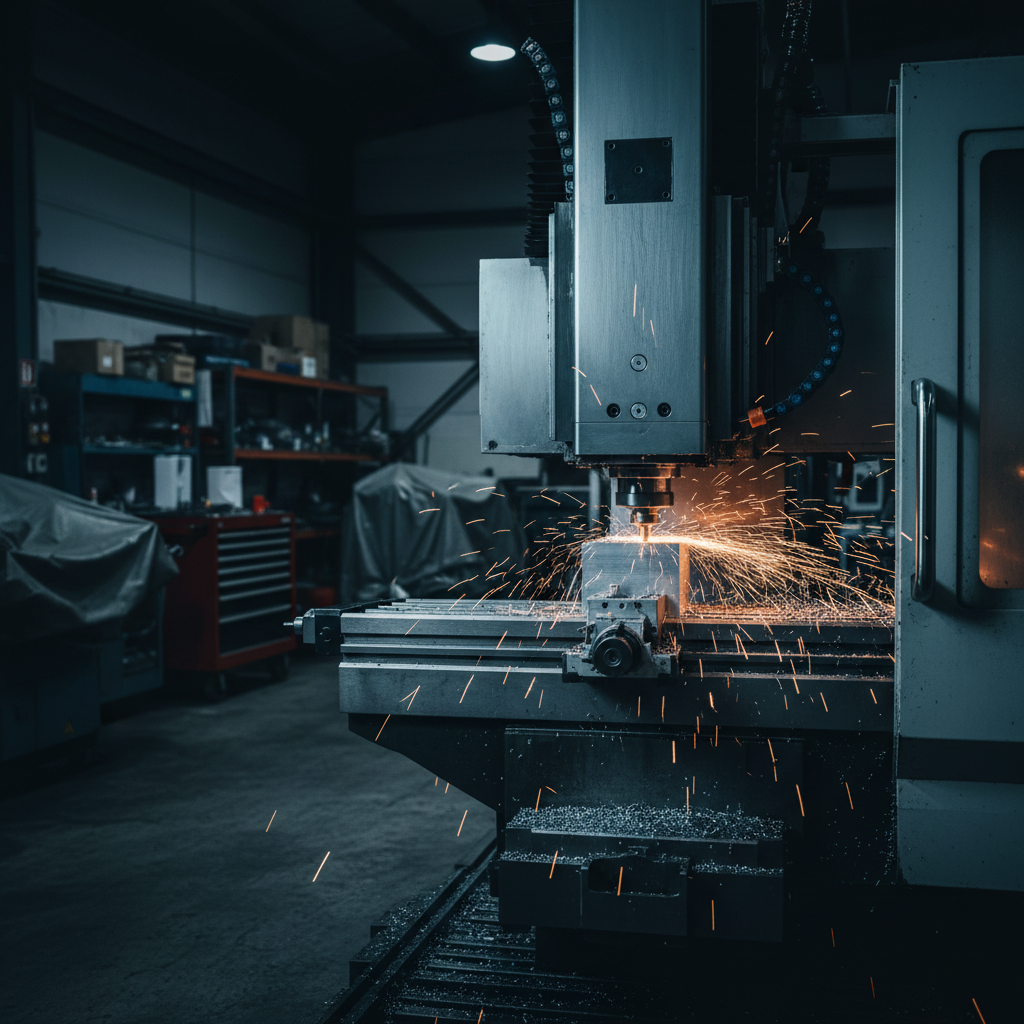
Once the raw stock is staged and verified, the project enters the fabrication core. This is where the physical transformation occurs through three primary stages: cutting, forming, and joining. Each stage represents a distinct work center with its own set of setup requirements and cycle times, all of which contribute to the cumulative lead time.
The process typically begins with precision cutting. Using CNC laser or waterjet technology, we translate CAD geometry directly into flat patterns. While cutting speeds are relatively fast, the density of the nest and the number of pierces required for internal cutouts dictate the total machine time. A simple bracket may take seconds to cut, whereas a complex panel with hundreds of ventilation slots or intricate profiles will consume significantly more machine hours.
Next, parts move to forming, primarily utilizing press brake bending. This stage is a major factor in lead time variability. Simple, single-bend parts can be processed rapidly. However, complex geometries requiring multiple flange heights or specific bend sequences necessitate multiple tool setups and test bends. If a part design requires three different radii, the operator must perform distinct tool changes and recalibrations, which naturally extends the production window. Identifying these requirements during the Design for Manufacturability phase is the most effective way to keep this stage moving quickly.
The final mechanical stage is joining, which encompasses MIG/TIG welding and mechanical assembly. Welding is labor intensive and requires careful fixture setup to maintain dimensional integrity. For high-volume precision manufacturing and fabrication services, we focus on repeatability. Creating robust fixtures ensures that every part in a run is identical, allowing for scalable output without sacrificing quality. Mechanical assembly, involving the integration of hardware, fasteners, or secondary components, adds a final layer of labor. By understanding that each bend and weld is a timed event, buyers can better appreciate why intricate custom metal fabrication projects require a structured schedule to ensure every component meets the original specification.
Phase 5: Finishing, Quality Control, and Final Inspection
After the physical shaping of the metal is complete, components enter the finishing and quality control phase. Secondary processes like powder coating, anodizing, zinc plating, or heat treating are often necessary to provide corrosion resistance, surface hardness, or specific aesthetic properties. Because these specialized treatments frequently involve outside vendors, they introduce fixed buffer times into the production schedule. A project might be functionally complete in our facility, but it must still account for the logistics of transit to a finisher and the vendor's internal lead times, which typically range from three to seven business days.
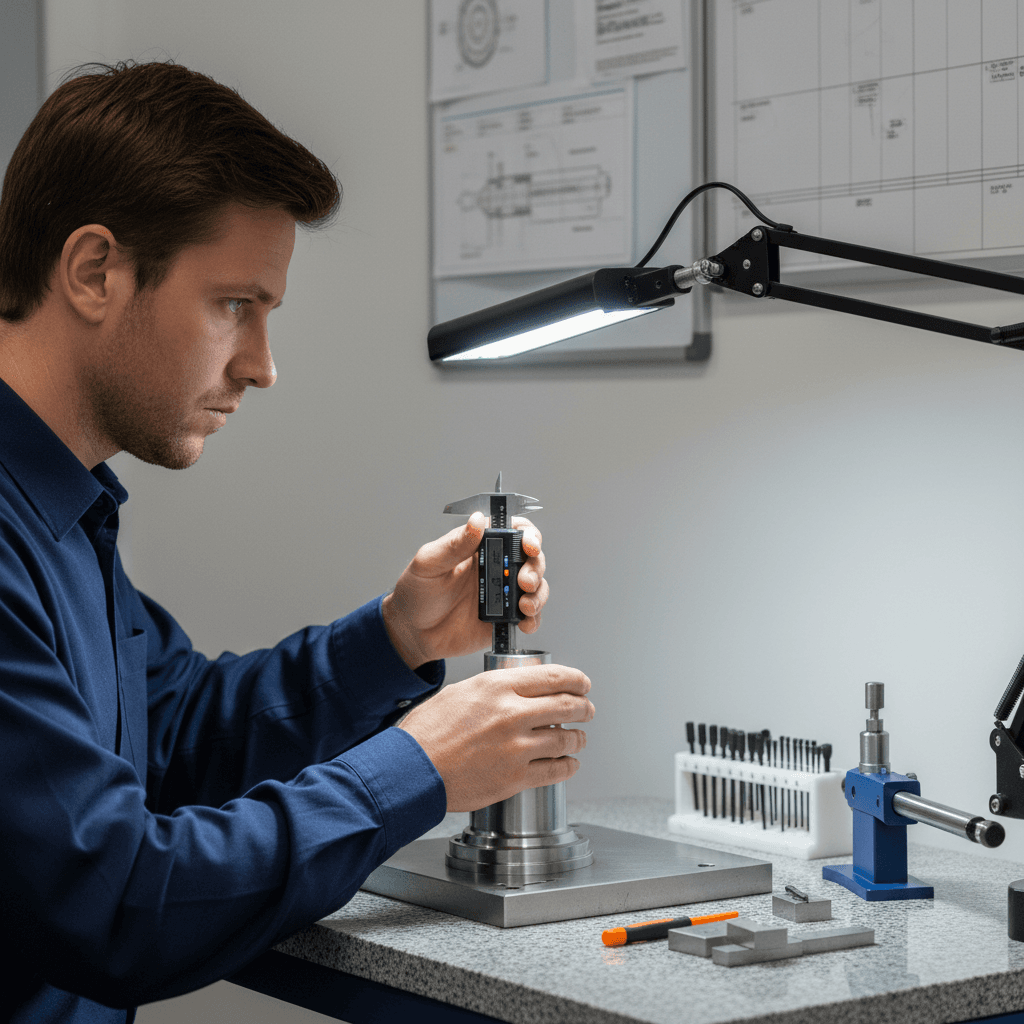
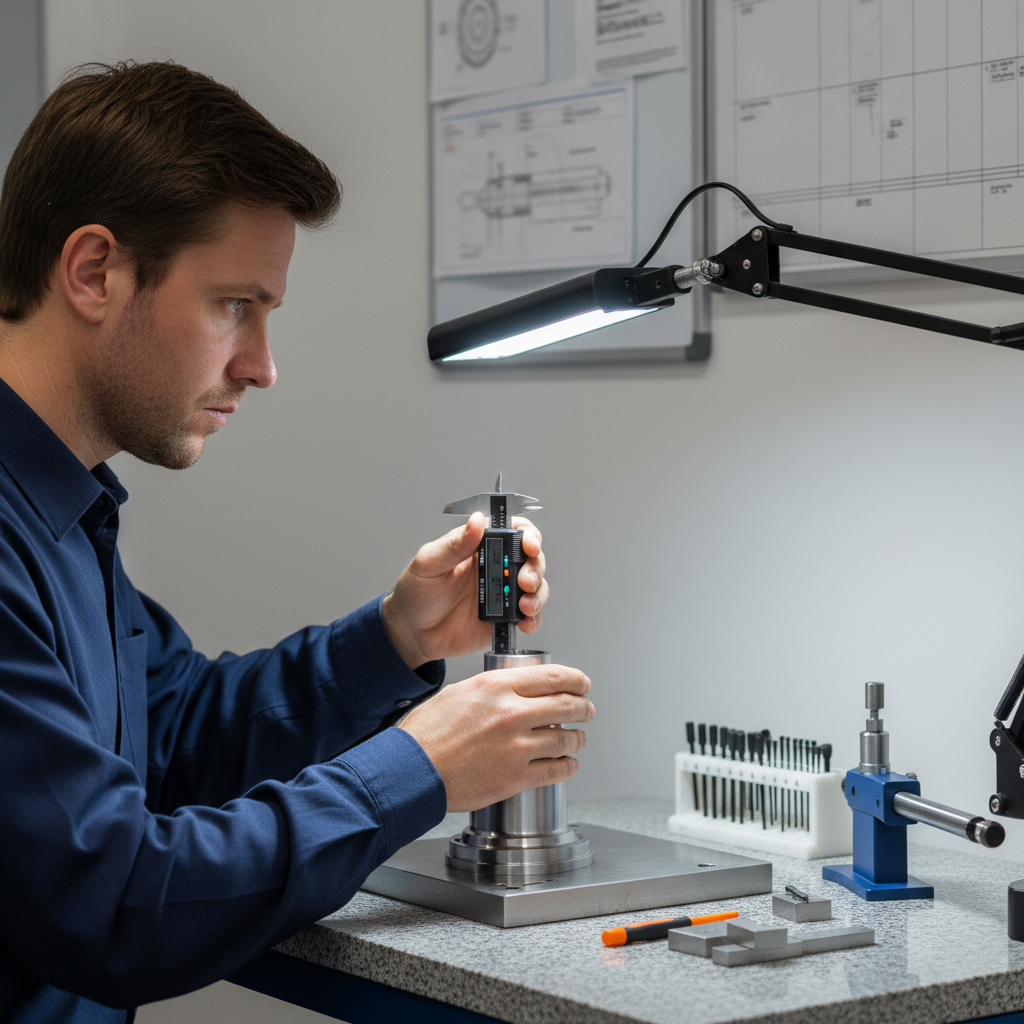
Quality control is the final safeguard before delivery. This stage begins with a First Article Inspection (FAI), where the first unit of a production run is validated against the original RFQ specifications and 2D drawings. Our technicians use precision measurement tools, including digital calipers, micrometers, and height gauges, to ensure every tolerance, hole alignment, and thread depth is accurate. This rigorous dimensional verification ensures that when the precision manufacturing and fabrication services are complete, the parts will perform reliably in their final application. For projects requiring specific compliance documentation or material certifications, you can contact our Ephraim team to ensure all inspection reporting is included with your final shipment.
Lead Time Factors: Why Do Some Projects Take Longer
The question of "How long does custom metal fabrication take?" does not have a single answer because lead times are a composite of technical requirements and logistical constraints. For simple components, such as laser cut brackets with single bends and no secondary finishing, a project may move from the contact our Ephraim team stage to delivery in as little as 2 to 3 weeks. However, complex assemblies involving tight tolerances, specialized welding, and outside finishing processes typically require 6 to 10 weeks to ensure every quality standard is met.
Several primary factors dictate where a project falls on this spectrum:
Design Complexity: Parts requiring multiple machine setups, intricate Design for Manufacturability reviews, or extensive manual welding naturally consume more shop hours. Each additional setup on a press brake or specialized weld fixture adds time to the production clock.
Material Scarcity: If a design calls for non-standard alloys not held in local inventory, the project remains in a holding pattern until the supply chain delivers the raw stock. This is why material selection is a foundational lead time driver.
Secondary Finishing: Processes like powder coating, anodizing, or heat treating often involve outside vendors. These steps add fixed buffers for transit and vendor processing times that cannot be bypassed.
Batch Size and Scalability: While small prototype runs move quickly through setup, large production orders require more machine time. However, large batches allow precision manufacturing and fabrication services to achieve greater consistency through repeatable, scheduled processes.
By identifying which of these factors apply to your specific project, you can better anticipate the necessary timeline for a successful production rollout.
How Buyers Can Shorten Fabrication Lead Times
Shortening the timeline for custom metal fabrication is largely a matter of documentation quality. A production-ready drawing package allows a project to move immediately into the scheduling queue by eliminating the clarification loops that often stall production. To accelerate your project, use this checklist during the engineering and procurement phases:
Submit Clean 3D Files: Provide STEP or IGES files alongside 2D PDFs. This allows for instant geometric analysis and CNC programming.
Standardize Material Gauges: Stick to common sheet thicknesses and structural shapes. Off-gauge materials often require special orders that add weeks to the front end of a project.
Consolidate Hardware: Minimize the variety of clinch nuts, studs, or standoffs. Using a single hardware type across an assembly reduces tool changes and inventory complexity.
Bundle RFQs: Grouping multiple parts into a single request increases material purchasing power and simplifies logistics.
Incorporating Design for Manufacturability principles early reduces the time required for technical revisions. For specialized precision manufacturing and fabrication services, you can contact our Ephraim team to ensure your documentation package is optimized for immediate production and repeatable output.
Managing custom metal fabrication requires careful planning and clear communication from the initial request through final delivery. By understanding the factors that influence lead times; you can better prepare for your specific project milestones. If you find the process overwhelming or simply want expert guidance to ensure your components are delivered on time, our team is here to support you. You can learn more about our commitment to quality and precision by visiting our About page to see how we help our partners succeed.