Selecting the right precision manufacturing partner requires evaluating their technical expertise, quality control systems, and ability to manage material-specific complexities. Look for a provider that integrates strategic planning into their production workflow and demonstrates a commitment to technological investment and scalability. This comprehensive approach ensures that the partner can deliver high-quality components while adapting to evolving project requirements.
Inconsistent lead times and out-of-tolerance components do more than just stall a production line; they erode the trust you have built with your own customers. When a single micron determines the success or failure of a complex assembly, settling for a standard vendor is a liability your business cannot afford. Finding a precision manufacturing partner is a strategic alignment that ensures your product can transition from a digital design to a scalable, market-ready reality without compromise. This guide examines the essential criteria for selecting a high-caliber partner, focusing on the critical role of Design for Manufacturability and the necessity of repeatable, scalable systems. We will also explore the advantages of domestic expertise and identify the red flags that suggest a supplier lacks the technological depth required for sophisticated production requirements.
The Stakes of Choosing the Right Precision Manufacturing Partner
Selecting a precision manufacturing partner is a strategic decision that goes beyond simple vendor sourcing; the right facility acts as an essential extension of your own engineering team. Precision manufacturing involves the production of individual components with extreme accuracy and consistency, often adhering to tolerances measured in micrometers. This level of detail is necessary to ensure that complex assemblies function reliably under demanding operational requirements.
While many shops possess modern CNC equipment, a true partner provides the necessary bridge between a design concept and a repeatable, scalable product. At Anderson Manufacturing, we emphasize comprehensive precision manufacturing and fabrication services that encompass both part production and complex assembly. This approach differentiates a professional partner from a standard machine shop that focuses solely on basic machining.
The stakes are high because a failure in precision at the component level inevitably leads to failures in the final system. By integrating engineering insights with rigorous production discipline, a partner ensures that the first part produced is identical to the ten-thousandth part. This reliability allows you to move into full-scale production with the confidence that your manufacturing foundation is built for long term success, minimizing the risks associated with quality drift or assembly errors.
Evaluate the Design for Manufacturability (DFM) Process

The move from concept to production relies heavily on the quality of initial planning. While it is tempting to focus on the speed of the machines, the most critical work happens before the spindle starts spinning. A competent partner avoids the trap of simply "cutting to print." Instead, they perform a rigorous Design for Manufacturability (DFM) analysis to identify where a design might be overly complex, prone to failure, or unnecessarily expensive to produce.
At Anderson Manufacturing, we prioritize practical design as a core component of our precision manufacturing and fabrication services. By analyzing your specifications early, we can suggest modifications that improve part reliability without compromising function. This might involve adjusting a radius to allow for standard tooling or identifying a tolerance that is tighter than the application requires, which can lead to exponential cost increases. Our goal is to ensure that the transition from a prototype to a repeatable production run is seamless and cost-effective.
When vetting a potential partner, you should directly ask: "Do you flag potential design issues before the first chip is cut?" If the answer is no, you risk paying for scrapped parts and engineering delays later in the cycle. A partner who provides proactive feedback demonstrates a deep understanding of how material behaves under stress and how specific geometries affect tool paths. This level of technical oversight is what transforms a simple vendor relationship into a strategic production asset. If you need a technical review of your current designs to ensure they are ready for the shop floor, you can contact our team in Ephraim to discuss how we optimize for scalable output.
Look for Repeatability and Scalable Systems
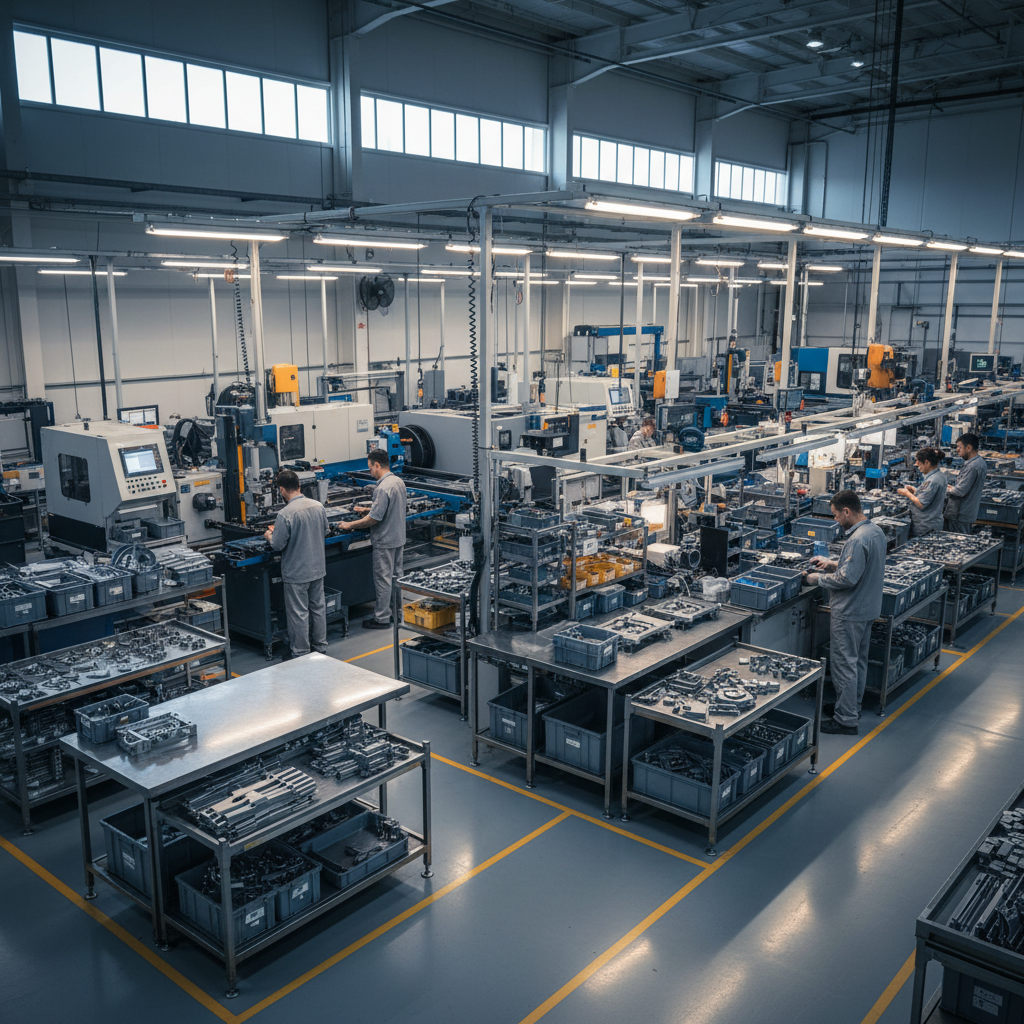
Transitioning from a validated design to a full production run requires more than just high-speed machinery. While a prototype shop might excel at delivering a handful of proof-of-concept parts, a true production partner prioritizes the science of repeatability. In industries like aerospace or medical manufacturing, consistency is non-negotiable. A fraction of a percent in variance can lead to assembly failures or critical safety risks, making a partner’s ability to replicate exact tolerances across thousands of units essential.
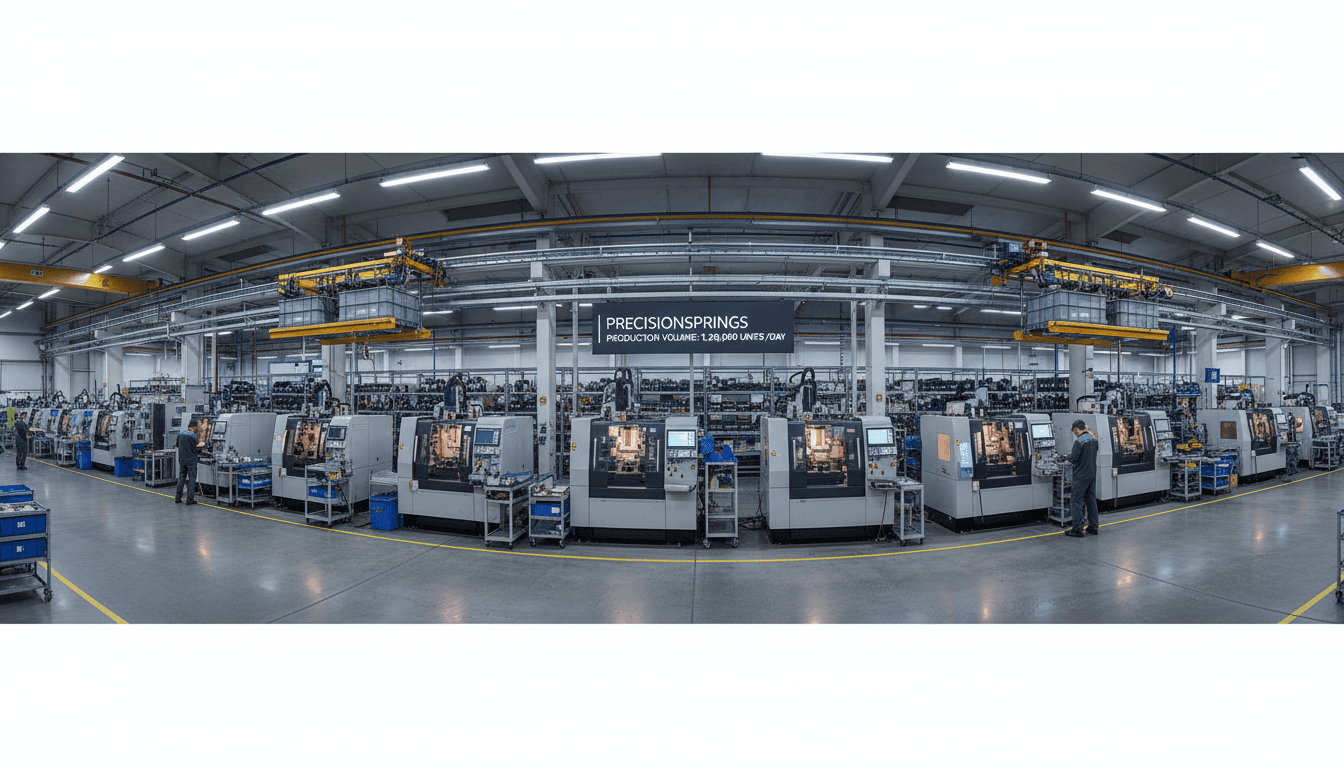
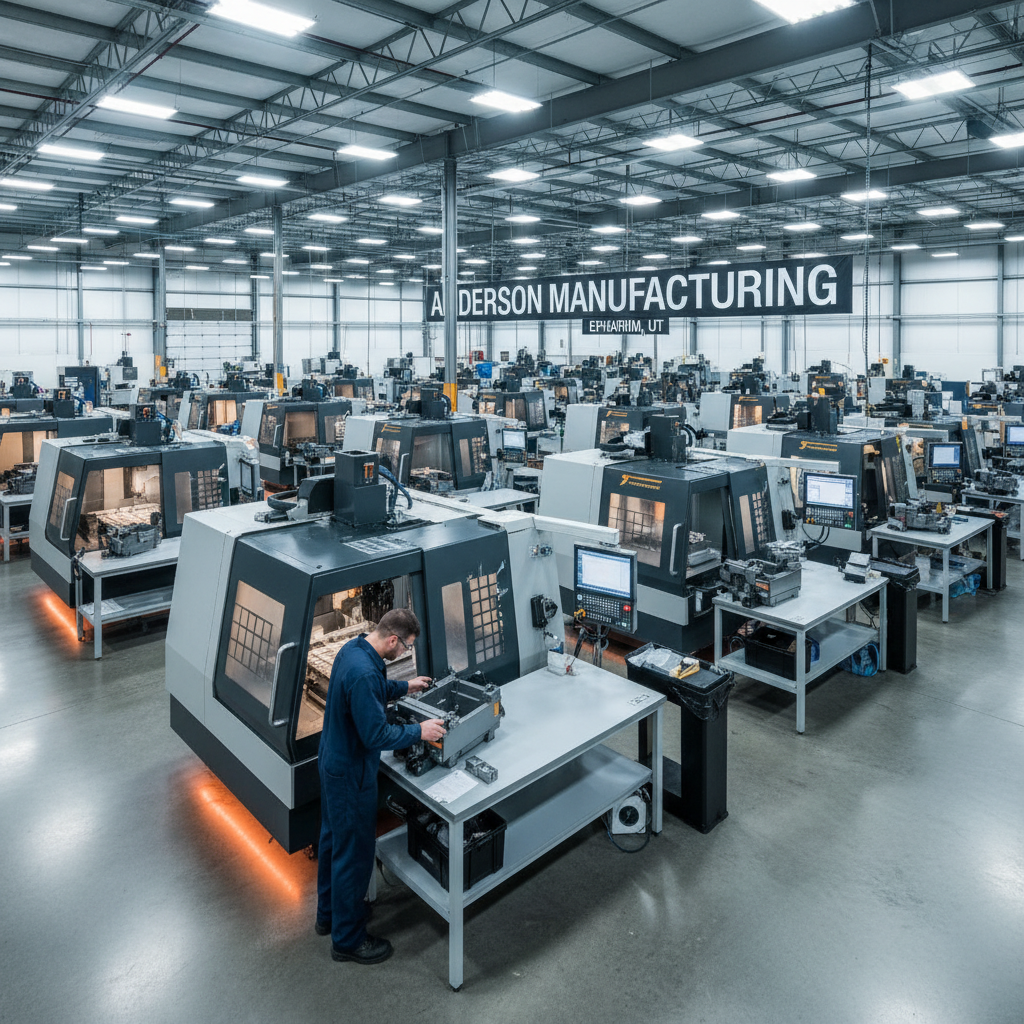
Effective management of scalable output involves building systems that remain stable as volume increases. A partner should demonstrate how they move from small batches to high-volume runs without a drop in quality or an increase in lead times. At our facility in Ephraim, Utah, we achieve this through systematic workstation organization and rigid process discipline. By standardizing the environment where each component is fabricated, we eliminate the variables that often plague less organized shops. When every tool has a dedicated place and every process follows a documented sequence, the result is predictable output that meets your operational requirements every time. At Anderson Manufacturing, we integrate these repeatable processes into our precision manufacturing and fabrication services to ensure that the thousandth part is identical to the first. To learn more about our commitment to consistency, you can read more About Anderson Manufacturing or contact our team in Ephraim to discuss your production volume needs.
Why Precision Is Critical in Modern Manufacturing
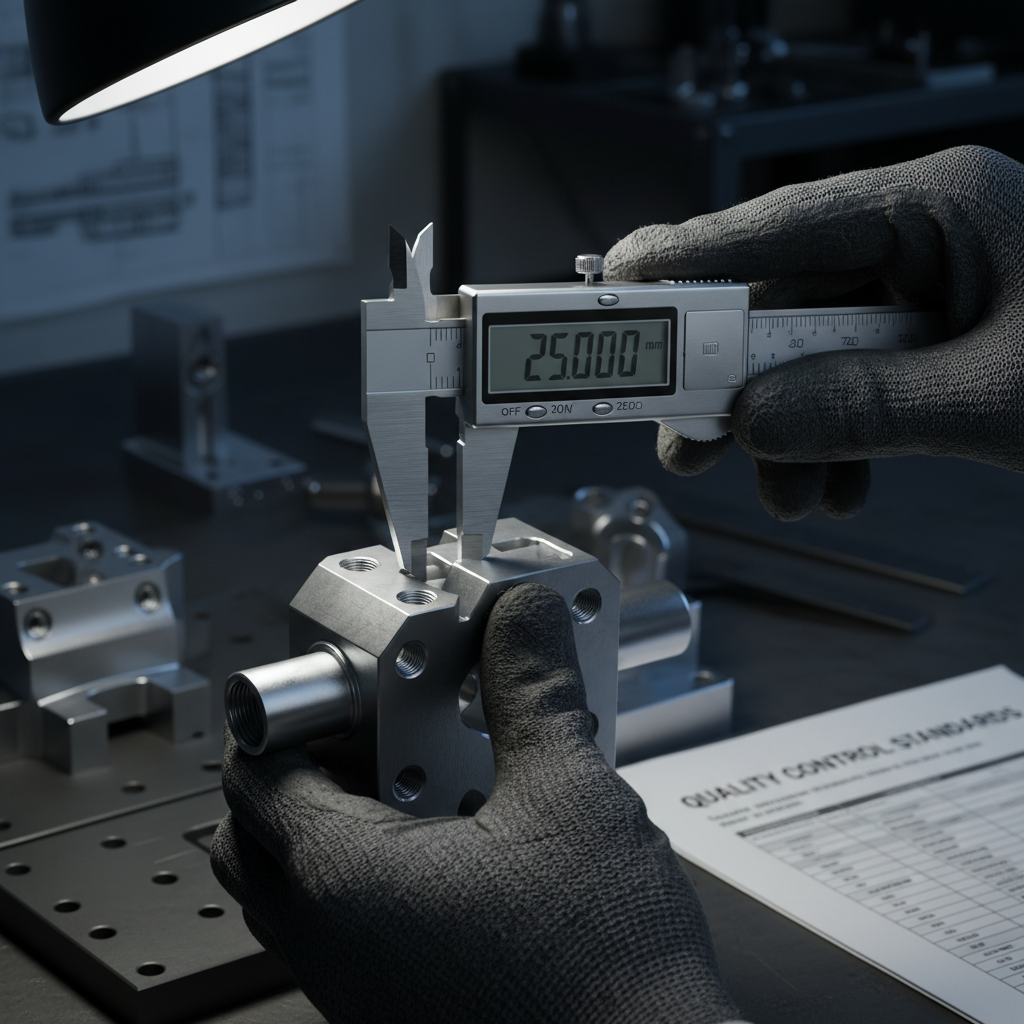
In modern industrial applications, the question of why precision is important in manufacturing is best answered at the assembly stage. Precision is the fundamental requirement for interchangeability and functional integrity. When a design calls for micrometers of accuracy, it is because the mechanical success of the entire system depends on it.
Consider the assembly of complex sub-components, such as aerospace parts or precision engine housings. These systems rely on hundreds of individual elements working in perfect synchronization. If a single component is even slightly out of tolerance, it creates a tolerance stack-up where minor errors compound. This leads to parts that do not fit, seals that leak, or bearings that seize during operation. In these high-stakes environments, a part that is almost right is actually a failure point that compromises the safety and performance of the finished product.
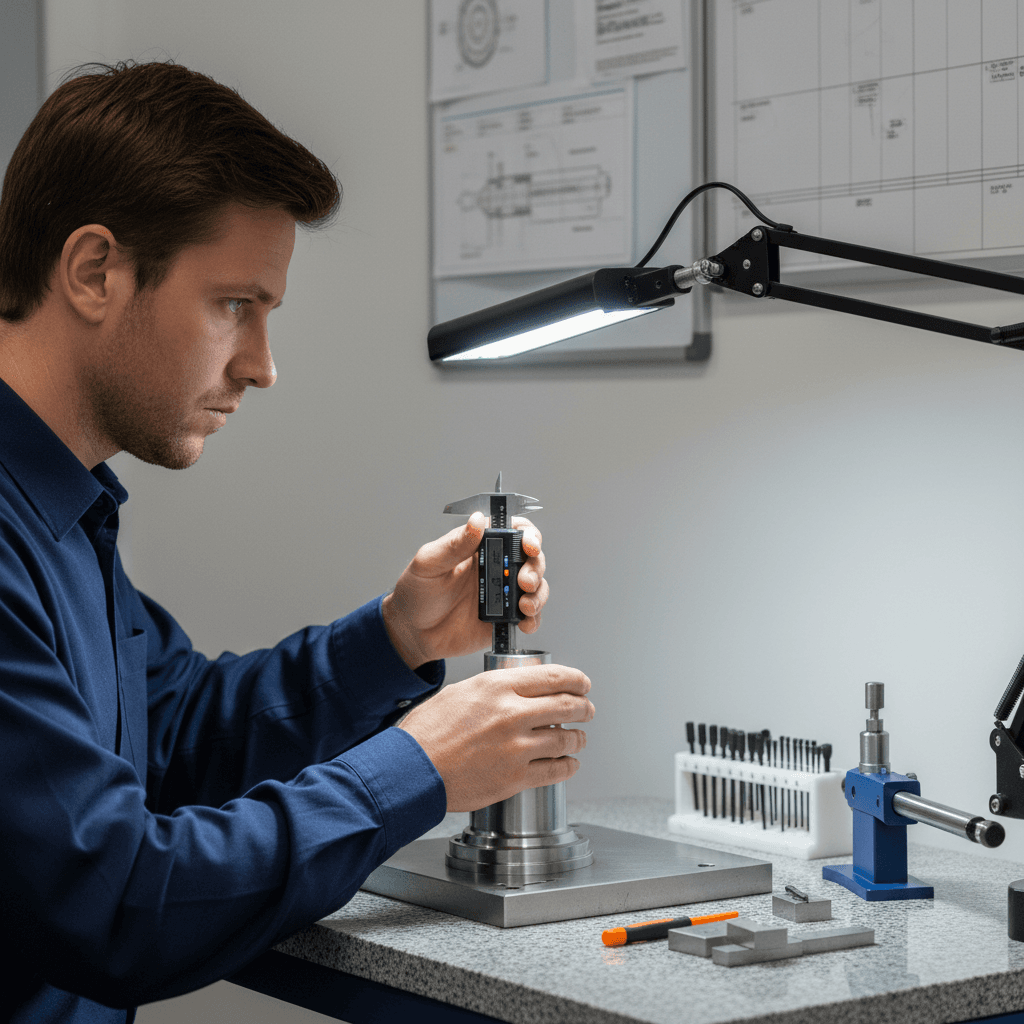
To mitigate these risks, a precision manufacturing partner must utilize built-in quality control rather than relying solely on a bolted-on final inspection. This means quality is verified at every stage of the process. At Anderson Manufacturing, we integrate this philosophy into our precision manufacturing and fabrication services by employing specific tools such as high-resolution digital calipers, custom go/no-go gauges, and advanced CNC monitoring systems that track machine performance in real time. These systems detect tool wear or material variances before they result in non-conforming parts. By integrating these checks into the production flow, we ensure that every sub-component is ready for immediate assembly. If you have questions about how we maintain these standards for your specific project, you can contact our team in Ephraim to review our quality management protocols. This commitment to detail is what defines the work we do at About Anderson Manufacturing.
Assessing Technology and Material Expertise
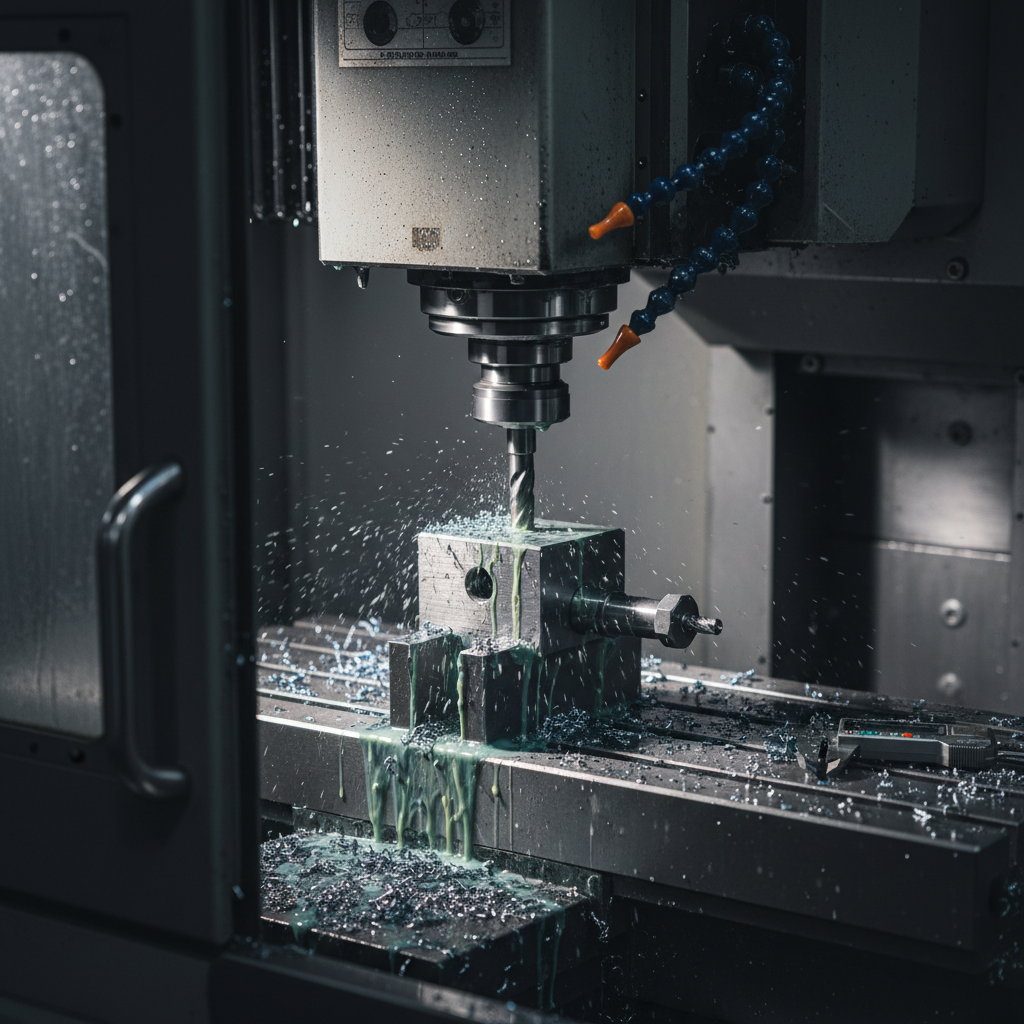
Technical proficiency requires a deep understanding of how different materials behave under the pressure of a cutting tool. A reliable precision manufacturing partner must demonstrate mastery over a wide range of substrates, from common 6061 aluminum and 300-series stainless steel to more demanding specialty alloys. Each material possesses unique thermal and mechanical properties that dictate specific machining strategies. Failure to respect these properties leads to dimensional instability and poor surface finishes.
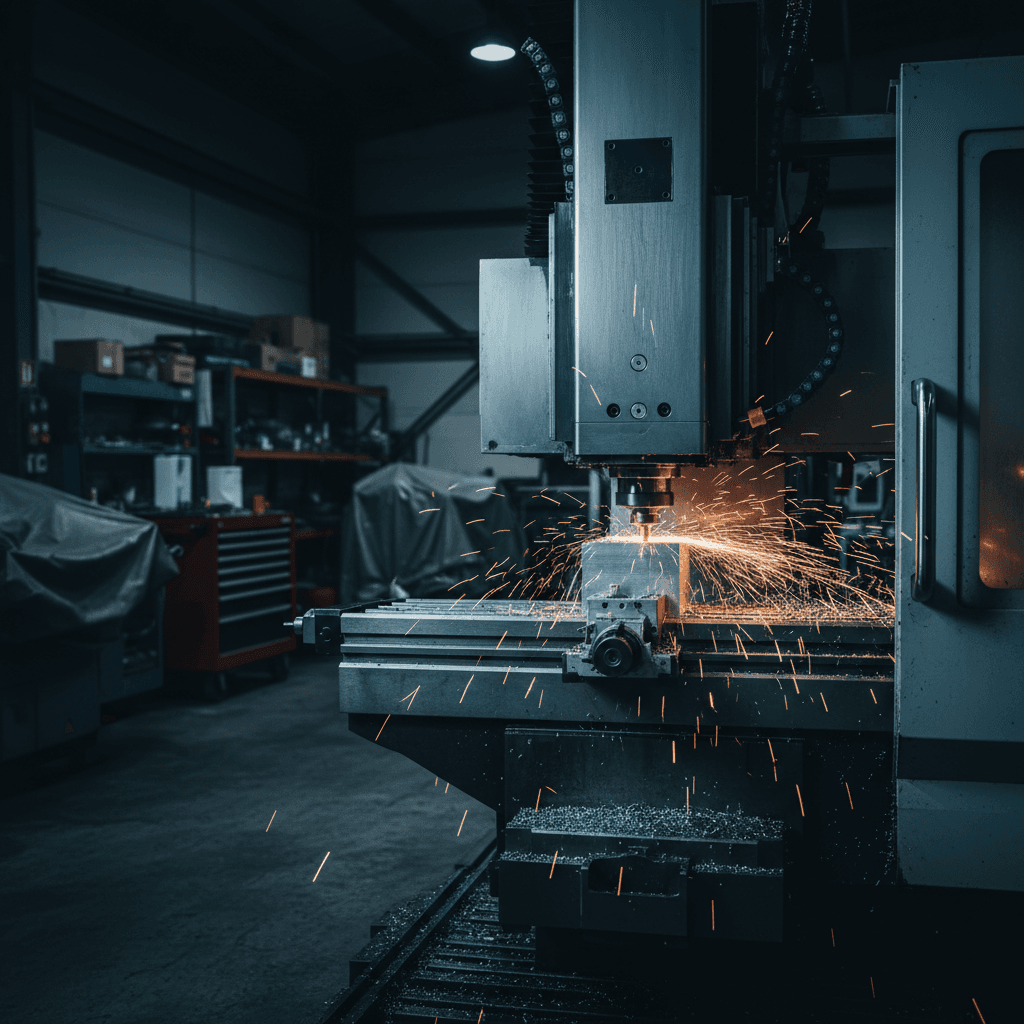
Modern CNC equipment, including multi-axis milling and high-precision turning centers, serves as the backbone of repeatable output by significantly reducing the risk of human error during the fabrication process. However, the hardware is only as capable as the programming behind it. Common mistakes made by machinists, such as selecting inappropriate tool coatings for abrasive alloys or failing to account for the thermal expansion of the workpiece during long production runs, often result in non-conforming parts.
Professional partners mitigate these risks through advanced CAM programming and rigorous simulation. This allows the engineering team to predict how a part will react to heat and tool pressure before the spindle even turns. At Anderson Manufacturing, we combine modern equipment with material-specific expertise to provide precision manufacturing and fabrication services that meet exact operational requirements. Our approach ensures that technical hurdles are solved during the programming phase, preventing costly errors on the shop floor. For projects requiring specific material handling or complex geometries, you can contact our team in Ephraim to review our technical capabilities and equipment specifications.
The Value of Domestic and Local Partnerships in Utah
Technical proficiency is essential, but the physical proximity of your precision manufacturing partner significantly impacts project velocity and risk management. For companies operating within the Intermountain West, partnering with a domestic facility in Ephraim, Utah, provides logistical advantages that overseas alternatives cannot match. Working locally eliminates the friction of time zone offsets and transoceanic freight, ensuring that communication remains immediate and actionable.
Direct access to the production floor allows for face-to-face design reviews, where engineers can examine physical prototypes and discuss adjustments in real time. This hands-on collaboration is vital for complex sub-components where subtle changes to a CAD model are best validated while looking at the physical workpiece. Furthermore, a local partner helps secure the supply chain against global volatility. By sourcing precision manufacturing and fabrication services domestically, you reduce lead times from months to weeks and gain tighter control over inventory levels.
At Anderson Manufacturing, we leverage our location to provide faster turnaround times and transparent project management. You can contact our team in Ephraim to schedule a facility visit and see our process discipline firsthand. Supporting local production is a strategic move to ensure your components are built reliably and delivered on a schedule that keeps your assembly lines moving without the uncertainty of international shipping delays.
Red Flags to Watch for During the Selection Process
Identifying a subpar precision manufacturing partner requires looking past the machine list and focusing on operational behavior. One of the most telling indicators is the state of the shop floor. A cluttered, disorganized facility often reflects a lack of fundamental process control. At Anderson Manufacturing, we maintain systematic workstation organization because we know that environmental discipline is the precursor to part consistency. If a vendor cannot demonstrate a clean, logical flow of materials, they likely struggle with the internal logistics required to manage complex assemblies.
Another warning sign is a lack of transparent communication regarding their Quality Management System (QMS). A professional partner must be able to articulate exactly how they handle non-conforming parts and how they document inspections throughout the production cycle. If their explanation of process discipline is vague or reactive, they cannot guarantee repeatable results over the long term.
Finally, evaluate their response to scalability. If a manufacturer cannot provide a clear timeline or strategy for transitioning from a small batch to a full production run, they may be a prototype shop masquerading as a production house. You need a partner who understands the mechanical and logistical bridge between a design concept and high-volume output. To ensure your projects avoid these pitfalls, contact our team in Ephraim to discuss our precision manufacturing and fabrication services and see how we manage process integrity from the start.
Finding the right precision manufacturing partner is the foundation of successful, scalable production. By prioritizing technical alignment and quality control, you can protect your operations as demand increases. If you want expert help evaluating your specific project needs or want to learn more about our history of excellence, we invite you to visit our About page. Our team is ready to provide the guidance and technical support your next project requires to thrive.